Zero-defect electronic assemblies manufactured under strict AS9100 and IPC Class 3 standards for civil aviation, defense, and space propulsion platforms.
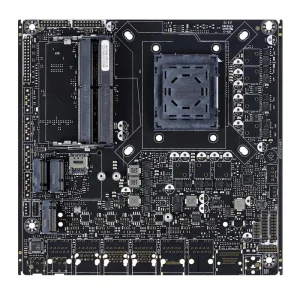
High-Quality Aerospace PCB Assembly: Engineering Reliability for Extreme Environments Manufacturer, Service
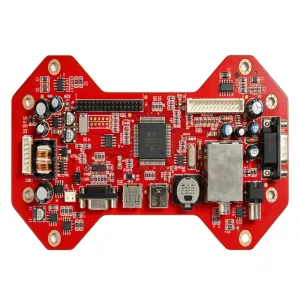
OEM Autopilot Module PCBA Assembly--STHL Service, Factories
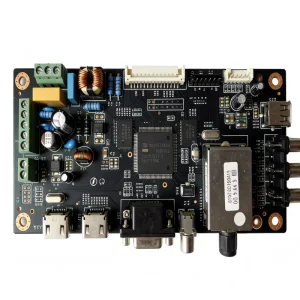
China Flight Control Computer (FCC) PCBA Assembly--STHL Factories, Factory
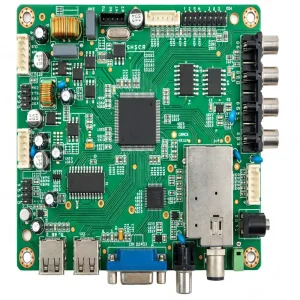
OEM Fly-by-Wire (FBW) Control Unit PCBA Assembly--STHL Manufacturers, Factories
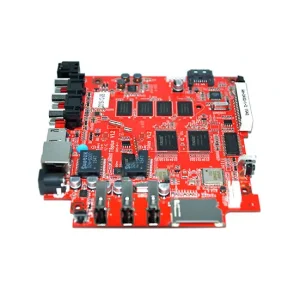
OEM Magnetometer PCBA Assembly--STHL Manufacturers, Factory
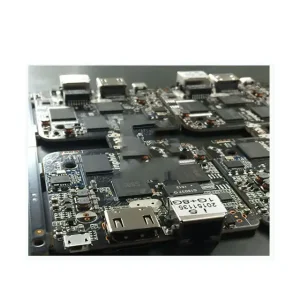
High-Quality Air Data Inertial Reference Unit (ADIRU) PCBA Assembly--STHL Manufacturers, Factories
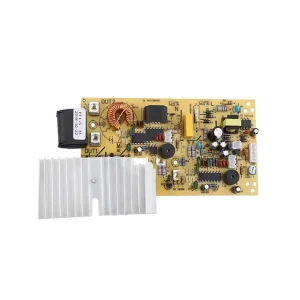
High-Quality Air Data Computer (ADC) PCBA Assembly--STHL Manufacturer, Factory
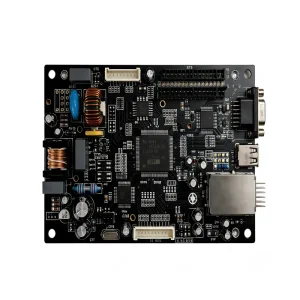
High-Quality Engine Indicating and Crew Alerting System (EICAS) PCBA Assembly--STHL Manufacturer, Factories
Aerospace electronics manufacturing is transitioning into an unprecedented growth cycle fueled by commercial mega-constellations, advanced air mobility (AAM), and defense modernization. Unlike standard consumer electronics, aerospace PCB assemblies cannot tolerate field failure—operational life cycles demand over 15 to 30 years of mission survivability.
Electronics intended for flight computers, engine monitoring, and navigation require flawless interconnectivity. Class 3 standards govern maximum plating thickness, zero-void solder requirements in through-holes, tight annular ring constraints, and thermal stress resistance to endure prolonged structural vibration.
With orbit altitudes exposing microelectronics to Single Event Upsets (SEU) and Total Ionizing Dose (TID), aerospace PCB sourcing insists on radiation-hardened or radiation-tolerant silicon, stringent counterfeit prevention protocols, and verified chain-of-custody documentation down to the raw wafer lot.
In vacuum or high-altitude rarified air conditions, heat removal via natural air convection is entirely ineffective. Factories must integrate heavy-copper inner layers, embedded copper coins, and metal-core substrates (MCPCB) paired with direct-contact conduction planes.
Aerospace electronic assemblies are moving from centralized, federated LRUs (Line Replaceable Units) toward distributed Integrated Modular Avionics (IMA), high-density interposers, and advanced packaging designed to minimize vehicle payload weight (SWaP-C: Size, Weight, Power, and Cost).
Polyimide laminates with Tg > 250°C to eliminate delamination during thermal shock. Rigid-flex designs remove heavy harnesses, connectors, and solder joints, cutting weight by up to 60% while drastically dampening vibration fatigue.
Stacked microvias with copper-filled laser drilling (Type IV/V HDI) facilitating dense BGA breakouts with pitch sizes down to 0.4mm. Co-fired ceramic (LTCC/HTCC) integration for extreme thermal environments inside jet propulsion turbines.
Embedding passive and active components directly inside inner substrate cores. Wide Bandgap (WBG) Gallium Nitride (GaN) and Silicon Carbide (SiC) power modules operating at multi-megahertz frequencies with over 98% power conversion efficiency.
| Engineering Parameter | Standard Aerospace Requirement | STHL Industrial Execution Capability |
|---|---|---|
| Laminate Base Materials | Polyimide, High-Tg FR-4, Rogers, Nelco, Arlon | Isola 370HR, Shengyi S1000-2M, Rogers 4350B, Nelco N4000-29 |
| Plated Through Hole Copper | IPC Class 3: Minimum 25μm (1.0 mil) average | Guaranteed 28μm - 35μm via specialized high-throw plating lines |
| SMT Component Placement | 0201 passive chips, 0.4mm pitch BGA / CSP | High-speed Yamaha / ASM lines down to 01005 chips, 0.3mm pitch BGA |
| Inspection & Integrity Verification | 100% 3D AOI, 3D AXI (X-ray), Microsectioning | 3D inline AOI, 160kV high-resolution oblique 3D X-ray, Flying Probe & FCT |
| Protective Conformal Coating | MIL-I-46058C, IPC-CC-830 approved polymer resins | Automated selective Parylene, Polyurethane, Acrylic, and Silicone spray |
Flight hardware must function without interruption across wildly differing stress zones within modern aeronautical structures. Each sub-system imposes distinct thermal, chemical, and electromagnetic demands.
Assemblies powering Glass Cockpit Primary Flight Displays (PFD), Multi-Function Displays (MFD), and Heads-Up Displays (HUD) require ultra-low latency, zero optical flicker, and EMI/RFI shielding to maintain operational integrity against cosmic interference and lightning strikes.
Full Authority Digital Engine Control (FADEC) hardware operates inches from multi-thousand-pound thrust engines. Electronics must survive uninterrupted temperatures exceeding 125°C, high acoustic energy levels, and direct contact with aviation fuels and hydraulic mists.
Inertial Navigation Systems (INS), Fly-By-Wire (FBW) processing units, and ADIRUs demand uninterrupted real-time processing with multiple redundancy architecture (triple or quadruple channels) to mitigate sensor drift and hardware single-point failures.
Aerospace turnkey electronics production demands a systemic manufacturing framework. STHL manages every phase under stringent automotive (IATF 16949) and medical/industrial standards, executing automated manufacturing controls that exceed typical EMS lines.
Before copper is imaged, our 50+ engineering team executes full Design for Manufacturability (DFM) reviews: verifying pad-to-trace ratios, via-in-pad thermal planarities, component spacing for automated optical inspection, and laminate copper balancing to prevent bow and twist.
Counterfeit parts represent catastrophic aviation hazards. STHL purchases exclusively through verified original component manufacturers (OCM) and franchised distributors. Complete Certificates of Analysis (CoA) and full traceability are linked via MES barcode tracking.
Every aerospace work order is subjected to Environmental Stress Screening (ESS): thermal shock cycles, Burn-In testing under electrical load, sinusoidal and random vibration testing, plus automated X-ray voiding calculation to verify internal solder integrity.
Engineered for high vibrational stability, hermetic sealing compatibility, and prolonged thermal resilience.
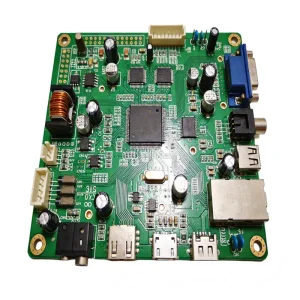
High-Quality Heads-Up Display (HUD) PCBA Assembly--STHL Manufacturer, Factories
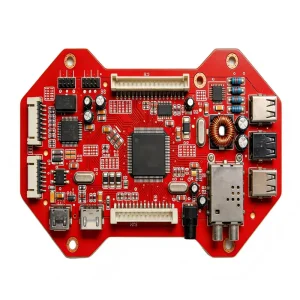
China Multifunction Display (MFD) PCBA Assembly--STHL Manufacturer, Factories
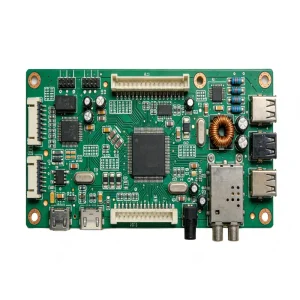
China Primary Flight Display (PFD) PCBA Assembly--STHL Manufacturer, Manufacturers
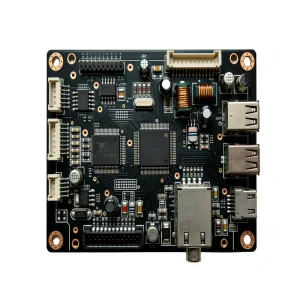
High-Quality Electronic Flight Instrument System (EFIS) PCBA Assembly--STHL Manufacturer, Factory
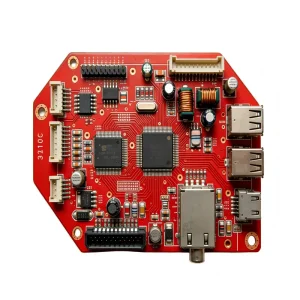
China Cockpit Voice Recorder (CVR) PCBA Assembly--STHL Manufacturer, Factory
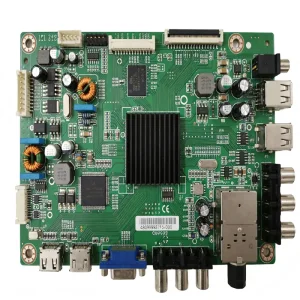
China VOR Receiver PCBA Assembly--STHL Manufacturers, Factories
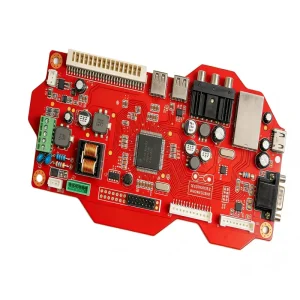
High-Quality Inertial Measurement Unit (IMU) PCBA Assembly--STHL Factories, Factory
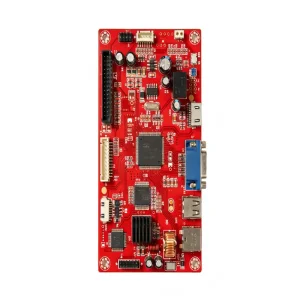
High-Quality Inertial Navigation System (INS) PCBA Assembly--STHL Manufacturers, Service
Answers to technical, sourcing, and certification queries critical for defense, avionics, and space-grade purchasing teams.