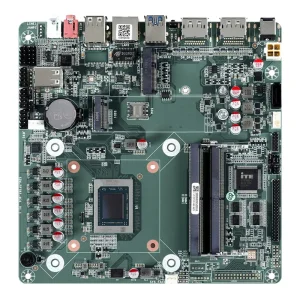
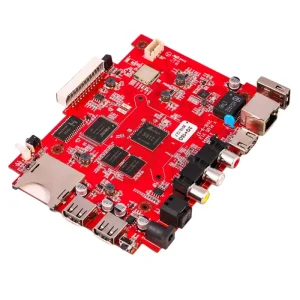
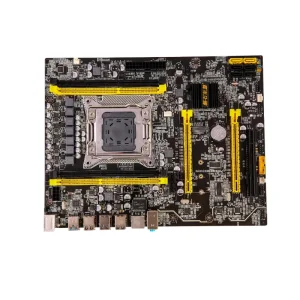
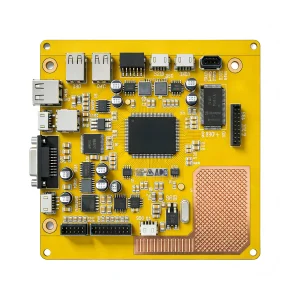
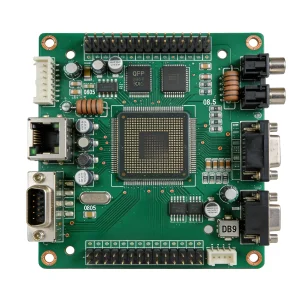
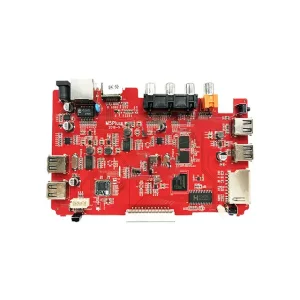
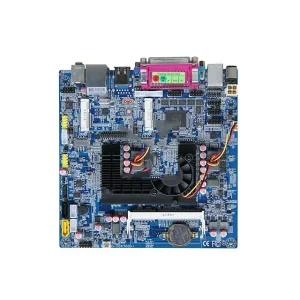
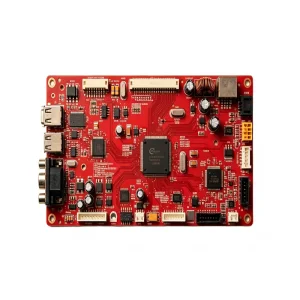
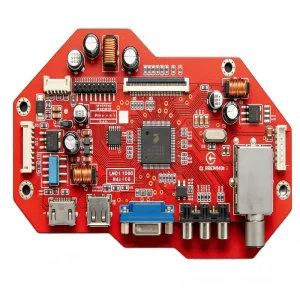
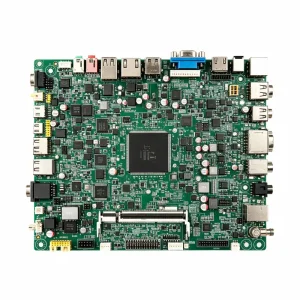
In the landscape of modern healthcare, Medical PCB Assembly serves as the central nervous system for life-saving technology. At STHL, we recognize that the difference between a functional device and a medical-grade solution lies in the adherence to strict ISO 13485 standards and zero-defect manufacturing.
The transition toward portable diagnostic equipment, AI-integrated surgical robotics, and IoT-enabled patient monitoring has drastically shifted the requirement for PCB density and thermal management. Global enterprises are seeking partners who provide not just assembly, but DFM (Design for Manufacturing) insights that reduce production cycles by 30%.
Our facility ensures regulatory compliance through advanced MES (Manufacturing Execution System) traceability. Each board is tracked from the individual component lot to the final test result, providing our international clients in the US, Europe, and Asia-Pacific the documentation required for medical device clearance.
We are investing heavily in fine-pitch SMT capabilities, high-speed signal integrity testing, and micro-component integration. Our roadmap includes transitioning toward fully automated cobot-assisted inspection to eliminate human error in high-reliability medical PCBA production.
A: We utilize rigorous IPC-A-610 Class 3 standards, AOI (Automated Optical Inspection), and 3D X-ray analysis to ensure every solder joint meets the highest durability standards for clinical environments.
A: Yes. We offer "No MOQ" services to assist startups and R&D teams during the initial design verification stage, allowing for seamless scaling as your product reaches market maturity.