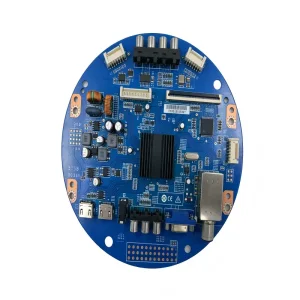
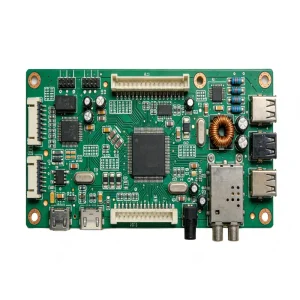
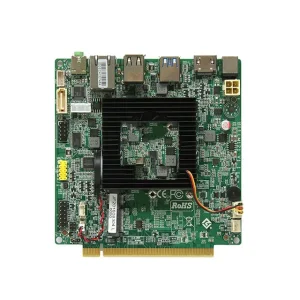
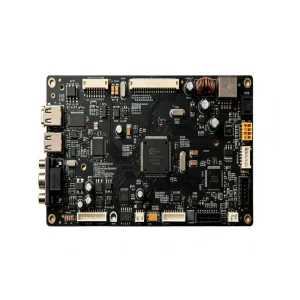
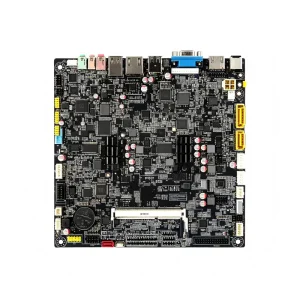
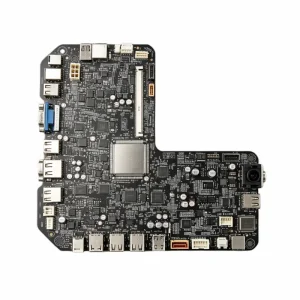
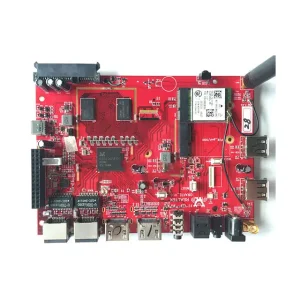
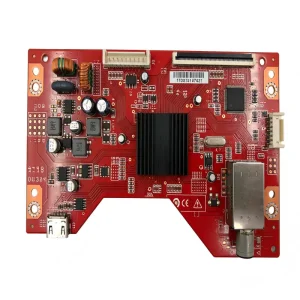
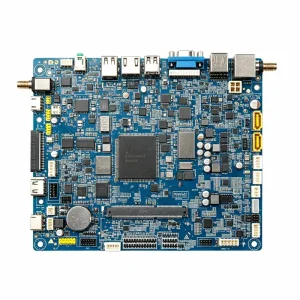
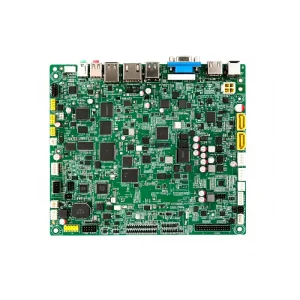
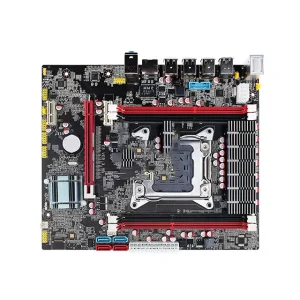
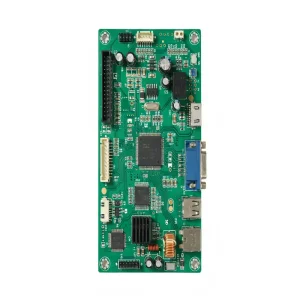
Verified manufacturing records across mission-critical aerospace displays, telecommunications, intelligent sensory platforms, and high-frequency power controllers.
From pure low-cost contract assembly to agile, collaborative engineering hubs: How Chinese Tier-1 and Tier-2 EMS providers drive the modern global hardware ecosystem.
The Greater Bay Area (Shenzhen-Dongguan-Huizhou) houses the world's dense electronic ecosystem. Sourcing passive components, active silicon, specialized bare boards, and CNC tooling happens within an 80-kilometer radius, collapsing prototyping cycles from months to under 5 working days.
Modern global brands avoid the extreme overhead of dedicated mega-lines. China's agile EMS facilities leverage quick-changeover SMT configurations, AI optical inspection, and digitalized feeder staging to handle high-mix, variable-batch production runs without incurring cost penalties.
Global trade requirements mandate end-to-end component traceability. Modern facilities run integrated MES (Manufacturing Execution Systems) interfacing directly with ERP, tying every soldered micro-component to reel batches, oven temperature logs, and automated test reports.
The convergence of intelligent automation, high-frequency signal requirements, and sustainable manufacturing practices across the EMS value chain.
Traditional 2D AOI is rapidly superseded by 3D-AOI coupled with deep-learning vision models. These engines distinguish genuine solder bridging, tombstoning, and voiding from non-critical surface reflections, driving inspection false-call rates down by over 80%.
IoT miniaturization and edge computing hardware require stable placement of 01005 passives and ultra-fine-pitch (0.35mm) ball grid arrays. Leading Chinese manufacturers utilize precision pick-and-place nozzles operating in enclosed Class 10k cleanrooms.
OEM buyers are delegating complete system integration. This includes conformal coating, custom silicone potting, CNC chassis fitting, robotic screw driving, final consumer packaging, and direct drop-shipping to end markets under unified warranty terms.
Engineered hardware requires tailored manufacturing recipes. Here is how certified Chinese EMS providers execute demanding multi-sector specifications.
In-cabin telematics, BMS controllers, and LED driver modules demand Zero-Defect frameworks. Production enforces PPAP Level 3 documentation, Nitrogen reflow soldering, underfill dispensing, and 100% automated optical + boundary-scan testing.
From portable patient monitors to diagnostic sensor boards. Assembly requires strict ESD flooring, cleanroom environmental management, biocompatible conformal coatings, and risk management documentation compliant with ISO 14971.
Programmable Logic Controllers (PLCs), high-power servo drives, and industrial gateways. Optimized for thermal dissipation using thick copper substrates (up to 4oz), heavy-duty through-hole wave soldering, and automated high-voltage burn-in chambers.
Battery-powered low-power sensing units, RF communication devices, and solar energy trackers. Manufacturing focuses on low-leakage current verification, automated RF antenna matching tests, and hermetic ultrasonic casing assembly.
How Tier-1 and specialized electronics manufacturing lines are transitioning toward full Industry 4.0 automation, digital twins, and autonomous production setups.
Automated software platforms simulate solder fillet formation, thermal profile distribution, and component pick-and-place collision risks before raw materials are ordered.
Integration of linear-motor placement equipment achieving ±15µm accuracy, enabling effortless surface mounting of ultra-miniaturized passives and dense SiP packages.
Automated laminographic X-ray inspection detects hidden solder defects under bottom-terminated components (QFN, BGA) without operator bias, logging void percentages instantly.
Feedback loops connect testing consoles back to solder paste printers and placement heads, autonomously calibrating stencil offsets in real time to prevent defect recurrence.
A systematic framework resolving supply chain vulnerabilities, design friction, and international logistics bottlenecks for high-tech enterprises.
Engineering teams analyze your Bill of Materials against global market lifecycles. We identify end-of-life (EOL), obsolete, or extended-lead items early, recommending drop-in pin-compatible alternatives to prevent manufacturing stoppages.
Offloading engineering burden by building custom Bed-of-Nails fixtures, pneumatic clamp jigs, and automated flashing rigs. Functional testing verifies GPIO, RF communication, voltage rails, and current draw in line with your test scripts.
From Shenzhen's logistics corridors to 90+ countries. We handle specialized anti-static vacuum packaging, humidity-indicator cards, customs clearance documentation, and scheduled air/sea shipments with guaranteed transit windows.
In-depth technical answers addressing risk mitigation, quality verification, intellectual property protection, and order execution.
Explore additional turnkey assemblies engineered across industrial IoT, security vision, biometric verification, and commercial lighting control systems.