Industry 4.0 Flexible PCB Engineering Whitepaper

China Flex PCB Service & Factory: High-Density FPC & Rigid-Flex Manufacturing Solutions

Empowering global innovators with micron-precision flexible printed circuit fabrication, complex surface mount technology (SMT), and turnkey PCBA assembly under strict IATF 16949 and ISO 13485 standards.

25µm Fine Trace/Space
1–12 Layer Pure Flex & 20-Layer Rigid-Flex
Vacuum SMT Pallet Assembly
0201 Components & Micro-BGA Capable
Precision Engineering Solutions

High-Reliability Flex & Rigid-Flex PCBA Assemblies

Explore our active turnkey manufacturing portfolio delivering mission-critical flexible circuitry and smart PCBA modules for automotive, medical, industrial, and smart connected applications.
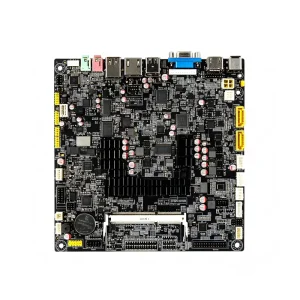
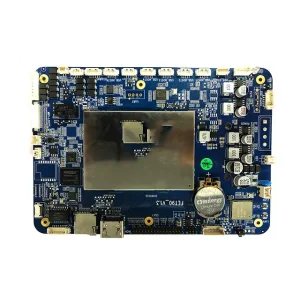
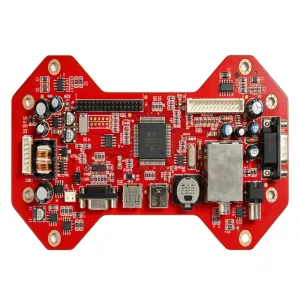
China Carbon Monoxide Detector PCBA Assembly

China Carbon Monoxide Detector PCBA Assembly--STHL Manufacturer, Service

Explore Assembly Details →
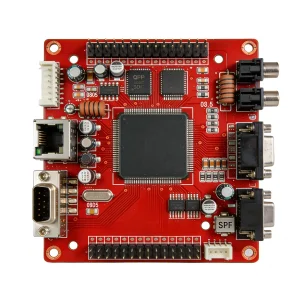
China Electric Cranes PCBA Assembly Manufacturer

China Electric Cranes PCBA Assembly Manufacturer, Factories

Explore Assembly Details →
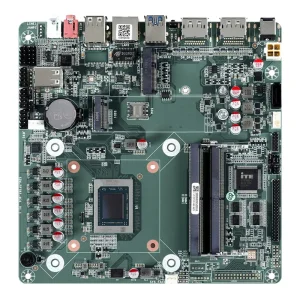
Electronic Control Unit ECU PCB Assembly

High-Quality Electronic Control Unit (ECU) PCB Assembly Manufacturers, Service

Explore Assembly Details →
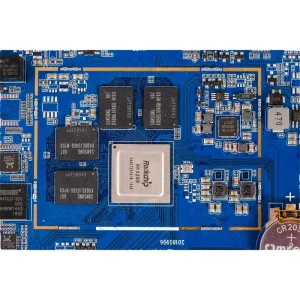
Smart Lock PCBA Assembly

High-Quality Smart Lock PCBA Assembly--STHL Manufacturer, Service

Explore Assembly Details →
Smart Home Energy Management System PCB Assembly

High-Quality Smart Home Energy Management System PCB Assembly Service, Factories

Explore Assembly Details →
Inertial Measurement Unit IMU PCBA Assembly

High-Quality Inertial Measurement Unit (IMU) PCBA Assembly--STHL Factories, Factory

Explore Assembly Details →
China Intercoms PCBA Assembly

China Intercoms PCBA Assembly--STHL Service, Factory

Explore Assembly Details →
Smart Light Bulb PCBA Assembly

High-Quality Smart Light Bulb PCBA Assembly--STHL Factories, Factory

Explore Assembly Details →
Global Electronics Landscape

The Macro Shift in Flexible Interconnects & Global Procurement

The global electronics sector is undergoing a massive architectural transformation. Traditional bulky wire harnesses and rigid PCB assemblies are being replaced across electric vehicles (EV), high-density medical robotics, aerospace telemetry, and consumer edge devices by Flexible Printed Circuits (FPC) and Rigid-Flex PCB hybrids.

Global procurement directors and chief technology officers face intense pressure: reduce geometric spatial volume, eliminate connector failure points, withstand dynamic mechanical articulation, and manage thermal dissipation—all while accelerating time-to-market. China's advanced electronics manufacturing ecosystem, particularly centered in Shenzhen's Bao'an high-tech corridor, has evolved from low-cost assembly into the epicenter of high-reliability Flex PCB fabrication and complex EMS turnkey engineering.
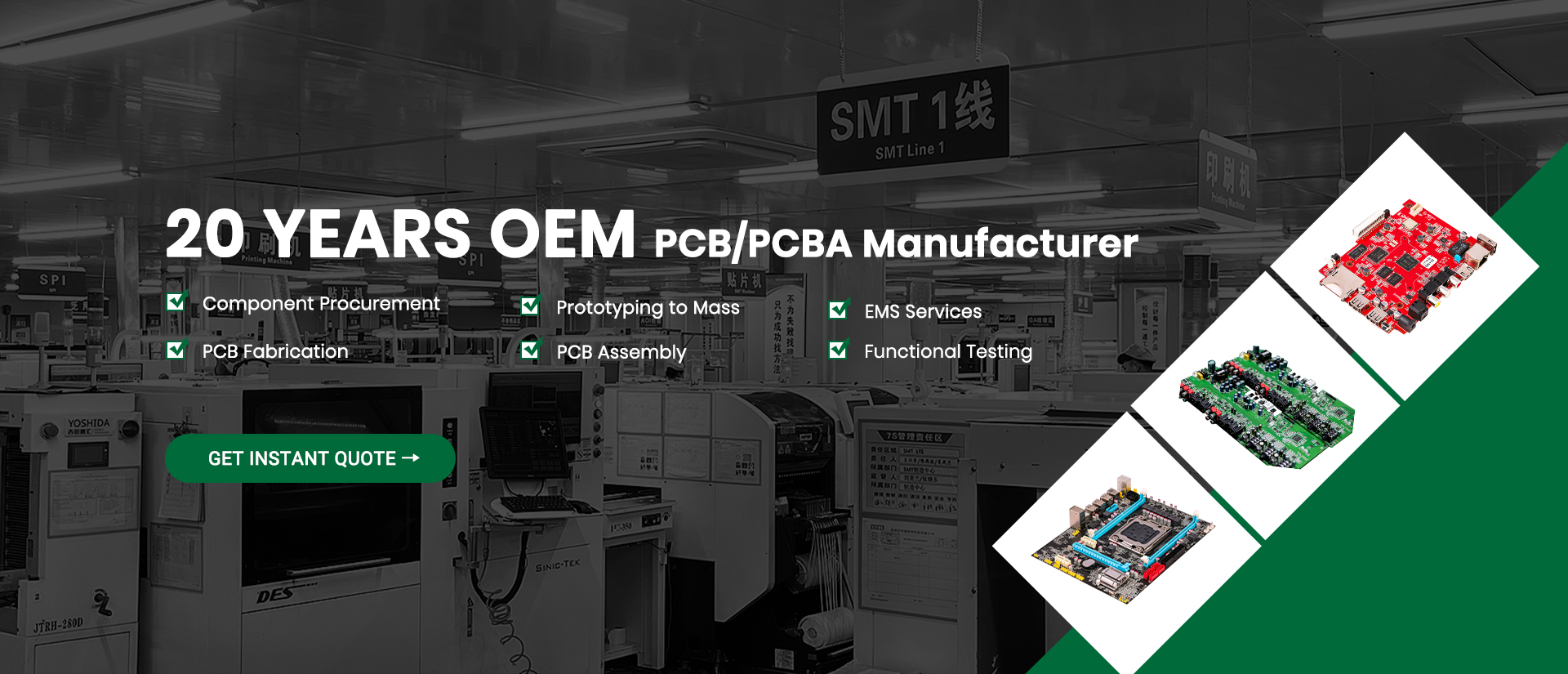
  • Weight & Space Reduction: FPC circuits slash package weight by up to 75% and spatial cubic envelope by up to 65% compared to traditional wire bundles.
  • Dynamic Durability: Engineered for exceeding 1,000,000 continuous flexing cycles in high-strain hinges, robotic articulation arms, and wearable biometrics.
  • Holistic Signal Integrity: Controlled characteristic impedance (50Ω single-ended, 90Ω/100Ω differential) across uniform dielectric polyimide layers for high-speed RF and mmWave data paths.
STHL Cleanroom SMT and Flex PCB Assembly Line
20+
Years EMS Experience
10,000 m²
Smart SMT & Assembly Facility
50+
Dedicated DFM Engineers
99.5%
On-Time Global Delivery
Technical Innovation

Flex PCB Industry Trends: Next-Gen Substrates & High-Density Interconnect (HDI)

As miniaturization reaches fundamental physical limits, flexible circuitry advances through novel materials, micro-modified semi-additive processes (mSAP), and hybrid stacking.

Advanced Polyimide & LCP Films

Transitioning from standard adhesiveless flexible copper clad laminates (FCCL) to Liquid Crystal Polymer (LCP) and Modified Polyimide (MPI). LCP features exceptionally low dielectric loss (Df < 0.002 at 10 GHz) and negligible moisture absorption (< 0.04%), critical for mmWave radar and 5G/6G RF modules.

Ultra-Fine Pitch mSAP Micro-Vias

Replacing subtractive chemical etching with modified semi-additive processing (mSAP). This leap enables line widths and spacing (L/S) below 25µm/25µm and laser-drilled blind micro-vias down to 50µm, allowing direct flip-chip packaging and ultra-dense BGA integration directly on flexible substrates.

Multi-Zone Rigid-Flex Architecture

Merging FR4 rigid structural cores with polyimide dynamic flex layers across complex 3D planar configurations. Our asymmetrical and symmetrical stack-ups integrate embedded stiffeners (FR4, stainless steel, aluminum) to combine mechanical component mounting stability with fluid dynamic flex routes.

Smart Manufacturing 4.0

China Factory 4.0: Supply Chain Resilience & SMT Assembly Precision

Handling flexible circuits during surface mount assembly (SMT) is notoriously complex. Bare flex substrates lack the rigid planarity required for high-speed pick-and-place nozzles and precision solder paste stencil printing. Without specialized tooling, warpage, solder bridging, and component tombstoning degrade production yields.

At STHL Electronics in Shenzhen, Factory 4.0 is not a slogan—it is an automated reality. We utilize proprietary CNC-machined vacuum magnetic carriers, universal silicone tension fixtures, and automated optical paste inspection (3D SPI) to ensure FPCs behave as flat rigid boards through high-velocity Panasonic and Yamaha SMT lines.
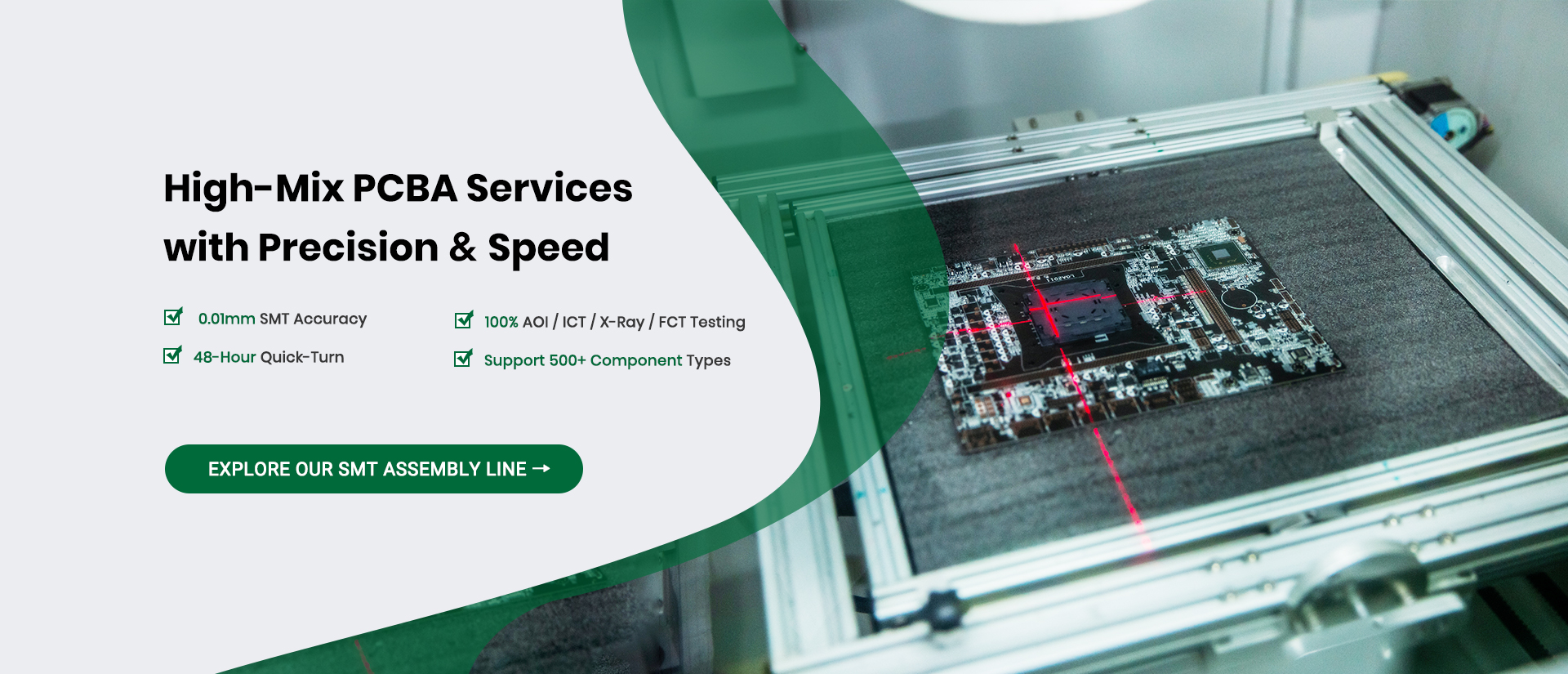
  • Custom Carrier Tooling: Tailored magnetic pallets engineered per Gerber data prevent substrate stretching and thermal deflection across 10-zone reflow profiles.
  • Precision Component Placement: Placement accuracy to ±0.03mm, supporting ultra-miniature 01005 passive components, 0.3mm-pitch BGAs, and fine-pitch FPC ZIF connectors.
  • Nitrogen (N2) Reflow Soldering: Controlled oxygen environments (<50 ppm) eliminate copper pad oxidation, optimizing intermetallic compound (IMC) thickness on delicate polyimide copper foils.
STHL Factory SMT Solder Reflow and Flex Testing Workshop
Industrial Application Scenarios

Localized Engineering Use Cases & High-Reliability Deployment

STHL flexible circuit assemblies operate inside demanding environments across the globe, where electrical continuity under vibration, temperature extremes, and tight geometries is paramount.

Automotive EV & BMS

Integrated Cell Contact Systems (CCS) for Lithium-ion EV battery packs. Multi-channel flex circuits replace heavy cable bundles, embedding NTC thermistors and voltage monitoring pins directly into battery modules under IATF 16949 traceability.

Medical Implants & Probes

Class II & III biocompatible flexible sensors for wearable ECG patches, ultrasound transducers, and articulating endoscopes. Built using pure adhesiveless polyimide and ENIG/ENEPIG plating under strict ISO 13485 quality protocols.

Aerospace & Defense IMU

Compact Inertial Measurement Units (IMU) and flight avionics requiring multi-axis rigid-flex geometries that endure extreme G-forces, thermal cycling (-40°C to +125°C), and high-frequency vibrational stress without solder micro-fractures.

Smart Edge & Wearables

Ultra-thin form-factor assemblies for biometric rings, AR/VR smart glasses, and foldable touch displays. High-density interconnects (HDI) with staggered micro-vias maximize component density in micro-enclosures.

Engineering Standards

Factory Capability Matrix: Flex PCB & Rigid-Flex Specifications

Comprehensive engineering design guidelines to facilitate Design for Manufacturability (DFM) and ensure flawless prototyping-to-volume transition.

Process Parameter Standard Flex Capability Advanced / HDI FPC Capability Rigid-Flex Capability
Layer Count 1 – 4 Layers 5 – 12 Layers (Blind/Buried Vias) Up to 20 Layers (2–8 Flex Layers)
Base Substrate Materials PI (Kapton), PET, PEN (0.5mil–2mil) Adhesiveless FCCL, LCP, Low-Dk MPI FR-4 High-Tg (170°C+) + Polyimide Core
Min. Trace Width / Spacing (L/S) 50µm / 50µm (2.0 mil) 25µm / 25µm (1.0 mil - mSAP) 40µm / 40µm (Inner Flex Cores)
Min. Mechanical Drill Hole 0.15 mm (6 mil) 0.10 mm (4 mil) 0.15 mm
Min. Laser Micro-Via Diameter N/A 0.05 mm (2 mil) 0.065 mm (2.5 mil)
Copper Foil Thickness 1/3 oz (12µm), 1/2 oz (18µm), 1 oz (35µm) 1/4 oz (9µm) to 2 oz (70µm) 1/3 oz to 3 oz (Heavy Copper Flex)
Surface Finishes ENIG, Immersion Tin, OSP ENEPIG, Hard Gold (30µ"), Immersion Silver Selective ENIG + Hard Gold Fingers
Stiffener Reinforcement PI (1–9mil), FR-4 (0.1–2.0mm) Stainless Steel (0.1–0.5mm), Aluminum Internal Bonded Structural Insets
SMT Placement Tolerance ± 0.04 mm ± 0.03 mm (01005 & 0.3mm BGA) ± 0.03 mm (3D Stepped Surfaces)
Sourcing & Engineering FAQ

Frequently Asked Questions: Flex PCB Sourcing & Assembly

Direct technical answers to common queries from global sourcing directors and hardware engineering teams.

What are the key differences between adhesive-based and adhesiveless Polyimide (FCCL) in flex circuits?
Adhesive-based flexible laminates use an acrylic or epoxy bonding layer between the copper foil and the polyimide dielectric film. While cost-effective, adhesives suffer from higher moisture absorption, lower thermal stability, and reduced flexibility over time. Adhesiveless flexible copper clad laminates (FCCL) bond copper directly to polyimide via cast or electrodeposition processes. Adhesiveless materials deliver a 25% to 40% thinner stack-up profile, superior thermal performance during lead-free reflow (260°C), superior dimensional stability for fine-pitch HDI routing, and exponentially higher fatigue resistance in dynamic flex cycles.
How does STHL prevent solder joint cracking on dynamic flexible circuit assemblies?
Preventing stress fatigue requires coordinated DFM and process control. We adhere strictly to the "Neutral Axis Principle"—placing copper traces in the exact center of the balanced dielectric stack-up so that bending forces experience zero compression and zero tension. Additionally, we enforce teardrop fillet transitions on all vias and pads, radius-curved trace corners rather than 90° or 45° bends, and place bonded stiffeners (FR4 or stainless steel) beneath all SMT component footprints to isolate solder joints entirely from bend radii.
Can STHL assemble ultra-miniature SMT parts and micro-BGAs directly onto flexible circuits?
Yes. Our Shenzhen facility features 7 advanced SMT lines equipped with high-precision optical pick-and-place machines capable of mounting 01005 passive passives, 0.3mm-pitch CSPs, and micro-BGAs. To eliminate thermal warpage and maintain coplanarity within ±0.03mm, we fabricate bespoke CNC vacuum carrier plates for every project. Soldering is conducted in nitrogen-purged 10-zone reflow ovens, verified via 3D SPI (Solder Paste Inspection), 3D AOI, and high-resolution automated X-ray inspection (AXI) for BGA solder voiding below 10%.
What documentation is required to receive a comprehensive DFM review and quotation?
To generate a complete turnkey DFM and cost analysis within 24 hours, please supply: 1) Gerber RS-274X or ODB++ files showing all electrical layers, coverlay openings, stiffener outlines, and outline cuts; 2) Detailed stack-up drawing specifying dielectric thickness, copper weights, and coverlay type; 3) Structured Bill of Materials (BOM) in Excel with manufacturer part numbers (MPN); 4) Centroid / Pick-and-Place data for SMT assembly; and 5) Test specifications (ICT, FCT, bend testing protocols).
How does STHL guarantee intellectual property (IP) protection and quality compliance?
We sign bilateral, legally enforceable Non-Disclosure Agreements (NDAs) prior to receiving design files. Production files are stored on isolated, encrypted servers with strict role-based access control. Quality-wise, STHL operates under certified IATF 16949 (automotive), ISO 13485 (medical), ISO 9001, and ISO 14001 frameworks. Every single panel and assembled board is laser-engraved with a 2D DataMatrix code tracked through our factory MES system, recording raw material lots, reflow thermal profiles, and inspection outcomes.
What are the lead times for Flex PCB quick-turn prototyping versus mass production?
For rapid prototyping, bare 1–2 layer FPC fabrication can be completed in as fast as 3 to 5 business days, and complex multilayer rigid-flex in 7 to 9 business days. Turnkey PCBA prototypes (including component procurement and SMT assembly) typically require 10 to 14 days. Volume production runs require 2 to 3 weeks following engineering first-article approval (FAI). We also offer buffer inventory and consignment agreements for overseas tier-1 OEM clients.
Comprehensive Production Lineup

Precision Turnkey Electronics Manufacturing Portfolio

Review our specialized computing, automation, power management, and telemetry PCBA products deployed by enterprise clients worldwide.
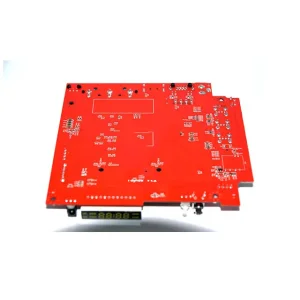
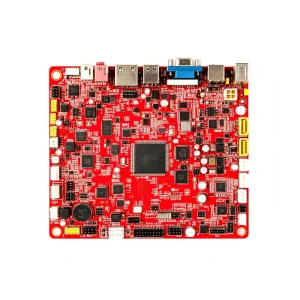
Multi-Function Printers PCBA Assembly

High-Quality Multi-function Printers PCBA Assembly--STHL Manufacturers, Factories

Explore Assembly Details →
OEM Linear Power Supply PCB Assembly

OEM Linear Power Supply PCB Assembly--STHL Manufacturer, Factories

Explore Assembly Details →
OEM Air Quality Monitor PCB Assembly

OEM Air Quality Monitor PCB Assembly Manufacturer, Factories

Explore Assembly Details →
Network Printers PCBA Assembly

High-Quality Network Printers PCBA Assembly--STHL Manufacturer, Factories

Explore Assembly Details →
OEM Autopilot Module PCBA Assembly

OEM Autopilot Module PCBA Assembly--STHL Service, Factories

Explore Assembly Details →
OEM Noise Monitoring Equipment PCB Assembly

OEM Noise Monitoring Equipment PCB Assembly Manufacturer, Service

Explore Assembly Details →
Medical PCBA Application Healthcare Devices

China Medical PCBA Application: Precision and Reliability for Healthcare Devices Manufacturer, Factories

Explore Assembly Details →
High Quality Laptop PCB Assembly

High-Quality Laptop PCB Assembly Service, Factory

Explore Assembly Details →