Precision-manufactured interface assemblies engineered for high-density automotive, industrial automation, and monitoring architectures.
Modern automotive electrification, medical robotics, and distributed green energy platforms demand zero-ppm defect rates, forcing a critical transition from manual tape-and-crimp benches to automated, closed-loop robotic manufacturing.
Wire harness assembly historically relied on over 70% manual assembly lines. With the proliferation of high-voltage electric vehicle architectures (up to 800V/1000V) and ultra-miniature sensors, human variability causes critical issues such as micro-fretting, crimping voids, and improper terminal seating.
By implementing fully automated cut-strip-crimp (CSC) platforms coupled with in-line cross-section analyzers and acoustic crimp force monitoring (CFM), manufacturers can isolate defective crimp heights and insulation crimp offsets with sub-micron accuracy.
Direct integration between manufacturing execution systems (MES) and laser wire marking machines ensures continuous material traceability. Every wire segment's lot number, pull force test, and insertion pressure are logged against digital serial tags.
Validated production metrics supporting mission-critical global original equipment manufacturers.
A harness is only as durable as its termination points and shielding boundaries. Our integrated manufacturing models span the entire mechanical and electrical continuum.
High-speed rotary stripping, laser insulation removal for fine-gauge micro-coaxial lines, and integrated robotic terminal loading ensure uncompromised conductor strand integrity, preventing broken conductors under severe vibration profiles.
Eliminating heavy junction splices, ultrasonic copper welding mechanically bonds conductor strands without thermal degradation. This guarantees minimal contact resistance and maximum thermal dissipation across high-current EV power rails.
Robotic wrapping of conductive copper tape, automated braided sleeving, and 360-degree aluminum housing termination block electromagnetic interference in harsh RF operating zones and high-voltage motor control drive paths.
Low-pressure polyamide molding encapsulating connectors and strain-relief components directly seals contacts to IP67, IP68, and IP69K liquid-ingress specifications, preventing chemical exposure and corrosion failure.
Integrated automated insertion for safety circuits that immediately interrupt vehicle high-voltage contactors in case of connector disconnection or insulation compromise, ensuring operator and service safety.
Manufacturing systems calibrated to meet strict industrial, medical, and aerospace tier-one vendor qualifications worldwide.
Rigid visual, tensile, and electrical test baselines designed for high-performance and severe-environment electronic cables, guaranteeing ongoing operation under physical strain.
Automotive and medical grade management systems providing APQP documentation, FMEA analysis, Control Plans, PPAP Level 3 approvals, and cleanroom handling protocol implementation.
Strict halogen-free, non-flammable cabling resins, heat-shrink sleeves, and lead-free alloys, backed by full IMDS reporting and laboratory spectral inspections.
Anticipating the converging demands of zonal architectures, artificial intelligence, and autonomous robotics.
Replacing manual pinout routing boards with multi-axis cobots guided by real-time neural vision cameras to place wires into connector bodies without positional drift.
Merging Flat Flexible Cable (FFC) and printed electronics onto traditional round harness lines, reducing harness harness weight by up to 45% in automotive cabins.
Direct embedding of optical fibers and thermal sensing micro-circuits within the bundle wrap, allowing continuous health monitoring of degradation over a 15-year lifecycle.
Direct answers to critical production and engineering questions for vendor qualification teams.
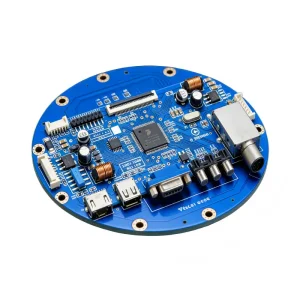
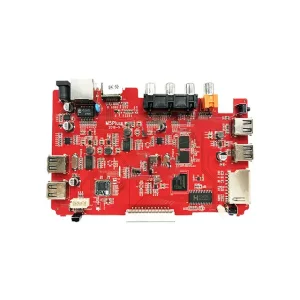
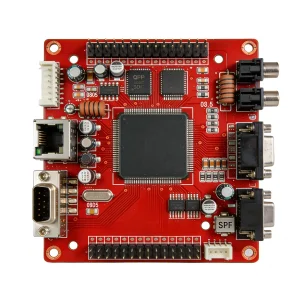
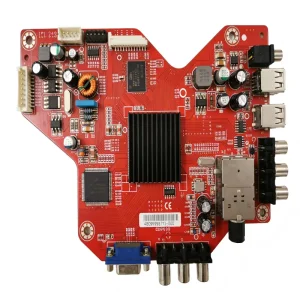
High-reliability printed circuit and wire interconnect assemblies deployed in mission-critical field hardware worldwide.