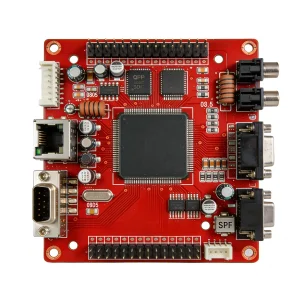
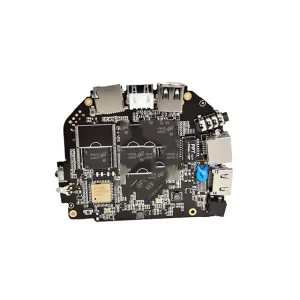
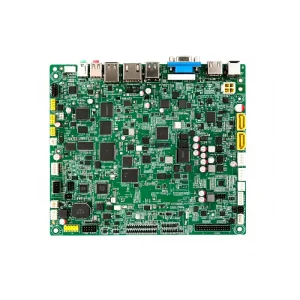
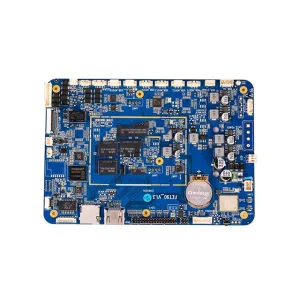
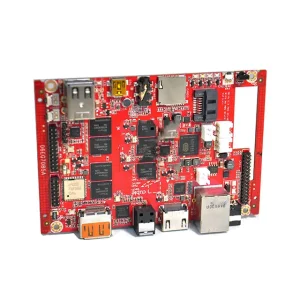
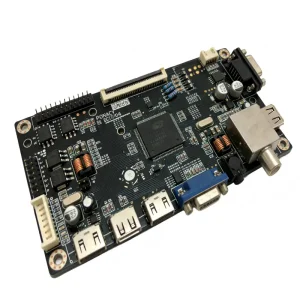
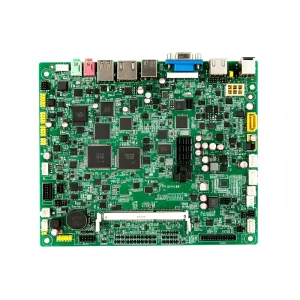
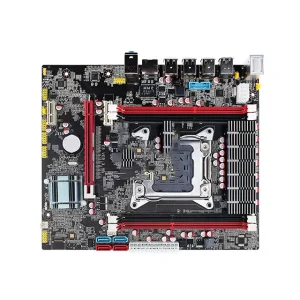
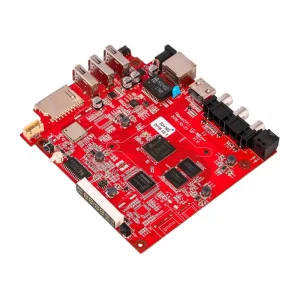
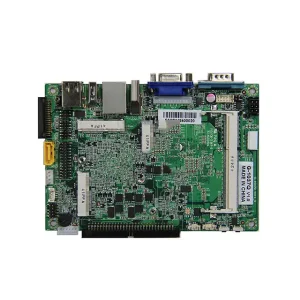
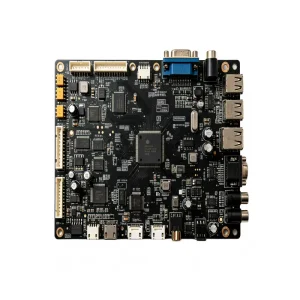
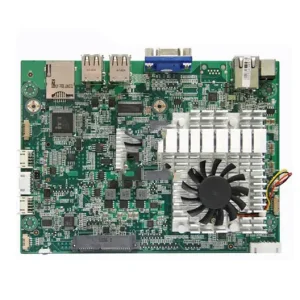
Engineered to survive corrosive moisture, chemical mist, ionic contamination, and extreme thermal cycles across heavy industrial and IoT domains.
Conformal coating forms an engineered dielectric protective barrier (12.5 to 100 μm) shielding fragile printed circuits from moisture, fungus, salt spray, and dendritic growth.
| Resin Type | Typical Thickness | Dielectric Breakdown | Operating Temp Range | Chemical Resistance | Key Strengths & Ideal Applications |
|---|---|---|---|---|---|
| Acrylic Resin (AR) | 25 – 75 µm | >1500 V/mil | -65°C to +125°C | Moderate (Reworkable) | Ease of application, quick evaporation cure, low cost. General consumer, smart home. |
| Polyurethane (UR) | 25 – 50 µm | >3500 V/mil | -65°C to +130°C | Exceptional (Solvent proof) | Abrasion resistance, outstanding salt-spray & fuel resistance. Marine, automotive under-hood. |
| Silicone Resin (SR) | 50 – 210 µm | >1000 V/mil | -65°C to +200°C | High Thermal/Vibration | High-temp endurance, thermal dissipation, low mechanical stress. Power supplies, aerospace. |
| Epoxy Resin (ER) | 25 – 50 µm | >2000 V/mil | -65°C to +150°C | Maximum Abrasion/Moisture | High mechanical strength, rigid moisture barrier. Highly permanent, harsh industrial control. |
| Parylene (XY - CVD) | 12.5 – 25 µm | >5000 V/mil | -200°C to +150°C | Absolute Pin-Hole Free | True vacuum deposition, zero surface tension, covers micro-BGAs. Implantable medical devices. |
Operating an automated smart EMS facility in Shenzhen, STHL combines precision robotic selective atomizing with full digital process traceability.
Multi-axis automated dispensing heads bypass keep-out zones (connectors, test pads, MEMS sensors) with zero manual taping, achieving high-speed precision repeat positioning down to ±25 μm.
In-line convection ovens and UV curing chambers run strict temperature-ramping profiles to eradicate solvent entrapment, preventing micro-bubbles, orange peel, and de-wetting flaws.
Integrated blacklight UV cameras verify complete coverage and precise boundary edge definitions. Automated Optical Inspection immediately detects edge creep, bridging, or voids.
Western hardware buyers evaluate EMS partners based on lifecycle cost reduction, supply chain accountability, and verifiable engineering transparency.
Pre-coating DI water washing eliminates flux activators and ionic salts. Boards pass IPC-TM-650 <1.56 µg/cm² NaCl equivalent tests prior to encapsulation.
Every resin batch, viscosity check, cure timestamp, and dispensing nozzle parameter is bound directly to unique serialized board 2D DataMatrix barcodes.
Eliminate catastrophic field RMA costs resulting from tin whisker short circuits, acid condensation, sulfur corrosion, and field electrical leakage.
Bilateral NDAs signed before CAD Gerber or BOM review, shielding sensitive intellectual property, firmware security keys, and proprietary mechanical designs.
Tailored encapsulation chemistries engineered around the specific mission-critical demands of each operating environment.
Standard: IATF 16949 / ISO 16750
Formula: Synthetic Urethane (UR) & Dual-cure Acrylates.
Stressors: Rapid thermal shock (-40°C to +125°C), splash fuel, glycol, motor oil immersion, brake fluid vapors.
Standard: ISO 13485 / USP Class VI
Formula: Vapor-Phase Chemical Parylene C.
Stressors: Autoclave sterilization, bio-fluid contact, continuous ionic conductivity resistance without degassing.
Standard: IEC 60068 / UL 746E
Formula: High-dielectric Silicone (SR) / Thick Polyurethane.
Stressors: High humidity condensation, high DC voltage bus tracking, persistent outdoor solar exposure.
Standard: ISA 71.04 Harsh Class G3
Formula: Solventless UV Epoxy / Modified Acrylic.
Stressors: Hydrogen sulfide gas (H₂S), airborne sulfur, alkaline industrial washdowns, factory vibration.
Meeting the evolving challenges of miniaturized packaging, ultra-dense 01005 passives, and rigorous zero-VOC global eco-directives.
Ultra-thin (50–500 nm) vacuum plasma fluoropolymer deposition. Delivers hydrophobic surfaces without requiring masking for connectors or edge-fingers.
Instantaneous polymerization under cold LED-UV wavelengths (365/395 nm). Eliminates solvent off-gassing and reduces manufacturing carbon footprints.
Ceramic micro-particle infused matrices designed to protect against moisture while helping disperse heat from high-wattage power ICs and FET arrays.
Ensuring frictionless international market access through certified chemical compliance and audit-ready test protocols.
Every resin and solvent lot is tested and guaranteed free from banned lead, phthalates, SVHC substances, and halogenated flame retardants.
Applied materials meet self-extinguishing fire-safety standards, ensuring that coating thin-films will not propagate electrical fire.
Certified in-house IPC trainers oversee uniform meniscus formation, checking edge fillets and bubble limits across Class 2 and Class 3 electronic assemblies.
Final vacuum moisture-barrier bags (MBB) packed with active desiccant and humidity indicator cards inside conductive static-dissipative cartons.
Essential guidance on resin selection, keep-out boundary control, reworkability, and test coverage.
We deploy programmable 5-axis selective coating robots with micro-dispensing needle valves. By writing CAD-driven path programs, coating edge resolution stays within ±0.2 mm without liquid leaking into test pins, connectors, or RF shield openings.
We combine dry-film non-destructive eddy-current and ultrasonic thickness gauges with regular wet-gauge comb checks on sample coupons during production runs. Thickness measurements are recorded directly into the project's MES batch records.
Yes. Acrylic resins (AR) dissolve readily using standard stripping solvents. Polyurethanes (UR) and Silicones (SR) can be selectively stripped with specialized chemical agents or gentle thermal softening pens for component-level desoldering.
Absolutely. While we keep standard Humiseal, Dow Corning, and Peters resins in climate-controlled storage, customers can specify specialized resins, medical-grade silicones, or specific customer-consigned materials.
Built across our 7 automated SMT lines and dedicated environmental protection lines, serving OEMs across 90+ countries.