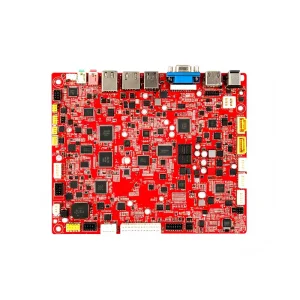
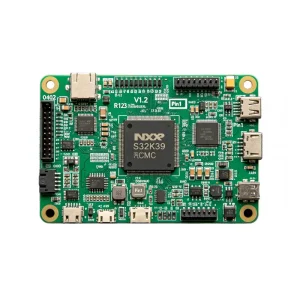
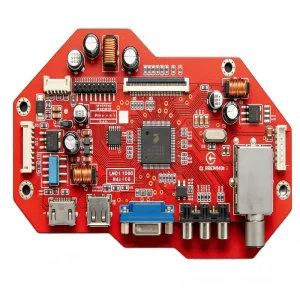
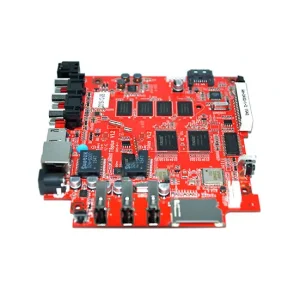
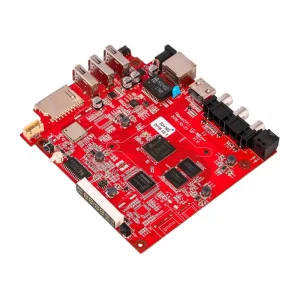
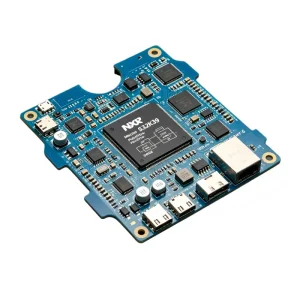
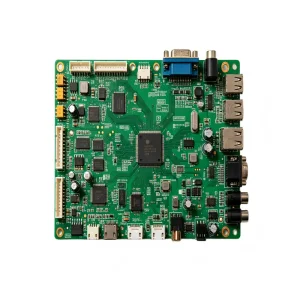
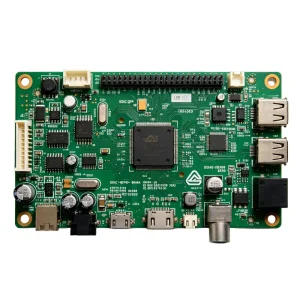
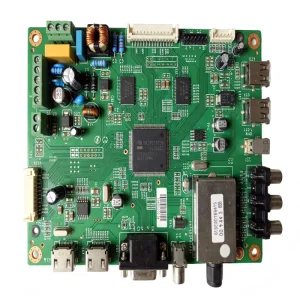
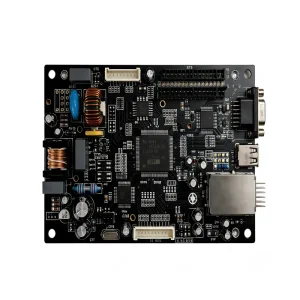
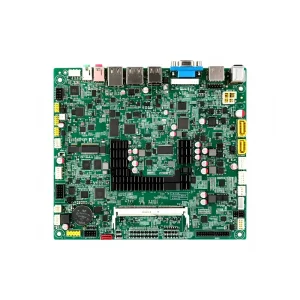
Direct factory production supporting turn-key PCBA, electromechanical systems, and wire harness interlinkage across harsh operating environments.
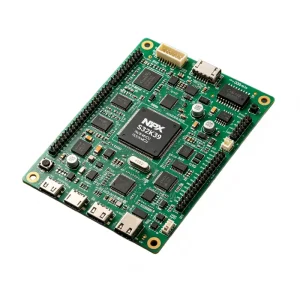
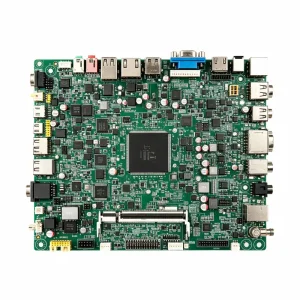
De-risking tier-1 supply chains via single-source accountability, IPC/WHMA-A-620 Class 3 compliance, and integrated Box Build engineering.
In modern industrial and advanced electronics design, the cabling harness is far more than a bundle of copper conductors—it functions as the critical central nervous system connecting high-density printed circuit board assemblies (PCBAs), power electronics, rugged sensors, and mechanical actuators. Procurement leaders face unprecedented challenges: rapid electronic miniaturization, soaring high-speed signal integrity requirements, electromagnetic interference (EMI) saturation, and stringent geopolitical compliance frameworks. Sourcing custom wire harness manufacturing from isolated assembly shops creates substantial friction: cross-vendor blame games over intermittent contact failures, pinout misalignments, impedance mismatches, and catastrophic assembly delays.
STHL bridges this operational gulf by integrating bare board manufacturing, complex SMT/THT PCBA, advanced component procurement, custom overmolded wire harnesses, and comprehensive box-build integration under an uncompromising quality management umbrella. Operating across Shenzhen’s advanced electronics manufacturing ecosystem since 2006, our engineering teams ensure that your wire harnesses and interconnect sub-systems are optimized for Design for Manufacturability (DFM), total life-cycle longevity, and automated continuity verification.
Cold solder joints, terminal back-out, and incorrect crimp heights degrade operational up-time. We enforce micrographic crimp cross-section analysis, motorized pull-force retention testing, and 100% automated electrical continuity verification.
As automated machinery and medical devices adopt LVDS, CAN-FD, Industrial Ethernet, and PCIe connectivity, harnesses must preserve differential impedance while offering 360-degree braided copper foil shielding against high RF ambient noise.
Procuring connectors, heat shrink, terminal pins, corrugated tubing, and PCBA substrates from disparate channels causes schedule fragmentation. STHL's verified network of 100+ global component suppliers secures authentic parts at target costing.
Tailored multi-core branch configurations, overmolding polymers, and mil-spec terminations matching rigorous industrial environments.
Manufactured in accordance with ISO 13485 protocols. Utilizing USP Class VI biocompatible silicones, high-flex lifecycles for surgical robotics, multi-lumen custom jacket extrusions, and autoclave-resistant overmolding for ICU monitoring equipment.
Certified under IATF 16949 standards. Delivering high-voltage power distribution cables, battery management system (BMS) signal leads, sealed waterproof Deutsch/Amphenol connectors, and flame-retardant XLPE insulation exceeding SAE J1128 criteria.
Engineered for extreme continuous torsional and bending stress up to 10+ million drag-chain flex cycles. Incorporating Kevlar strain reliefs, oil-resistant PUR jackets, heavy-duty M12/M8 circular sensor leads, and custom breakout potting.
Complying with IPC/WHMA-A-620 Class 3 standards. Featuring lightweight Tefzel (ETFE) thin-wall insulation, zero-halogen flame retardancy, mil-spec gold-plated backshells, and low-outgassing properties for space and airborne installations.
Anticipating emerging OEM requirements through intelligent sensing integration, ultra-lightweight alloys, and automated robotic assembly.
Merging copper power conductors with multi-mode optical fibers within a single protective sheath, enabling high-bandwidth real-time video/telemetry alongside 48V power lines without EMI distortion.
Integrating printed strain sensors, thermistors, and micro-RFID tags directly within the harness overmolding to track cable flex stress, junction temperature, and lifecycle maintenance data in autonomous vehicles.
Transitioning from pure electrolytic copper to high-conductivity aluminum alloys and copper-clad steel (CCS) for aerial drone and electric aircraft wiring, achieving 30–45% harness weight reduction.
Deploying vision-guided AI robotic stripping, crimping, and sub-millimeter connector insertion systems, reaching near-zero PPM defect rates and complete traceability from copper rod to end enclosure.
Ensuring full market authorization across North America, the European Union, the United Kingdom, and Asia-Pacific.
Factory trace numbers for UL Appliance Wiring Material (AWM) styles (e.g., UL1007, UL1015, UL2464). Strict flammability ratings compliant with VW-1, FT-1, and UL94 V-0 flame test standards.
Certified complete chemical compliance for European shipments. Systematic lab testing verifying the elimination of phthalates (DEHP, BBP, DBP, DIBP), heavy metals, and persistent toxic organic pollutants.
Strict compliance with Requirements and Acceptance for Cable and Wire Harness Assemblies. Rigorous criteria covering crimp deformation, wire wrap turns, solder fillet wetting, and shielding containment.
Fully integrated quality architectures supporting PPAP Level 3 documentation, IMDS submissions, FMEA failure mode studies, and strict clean-room assembly for sensitive medical devices.
Clear answers to crucial engineering, qualification, and logistics considerations for custom wiring assemblies.
We employ a multi-stage validation process: every batch undergoes continuous Crimp Force Monitoring (CFM) on automated crimping presses, optical cross-sectional micro-graphic analysis to verify gas-tight conductor compaction, and motorized tensile pull-force testing complying with UL486 and IPC/WHMA-A-620 standards.
Yes. If genuine TE Connectivity, Molex, JST, or Hirose parts face protracted lead times, our component engineering team presents fully qualified, pin-compatible form-fit-function equivalents. We submit physical cross-samples, 3D STEP models, and mating cycle test data for client sign-off prior to production.
100% of finished assemblies are tested on high-speed Cirris or CableEye automated harness analyzers. Our standard test sequence verifies pin-to-pin point continuity, checks for micro-shorts, performs dielectric withstand high-voltage tests (Hi-Pot) up to 1500VDC, and measures insulation resistance up to 1000 Megohms.
To provide a firm quotation within 24–48 hours, we request your 2D wiring schematic or wire run-list (including wire gauges, colors, and pinouts), bill of materials (BOM) specifying connector housing and terminal part numbers, overall length tolerances, jacket requirements, and any special testing or labeling instructions.
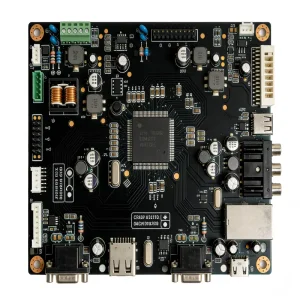
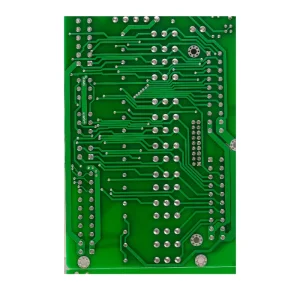
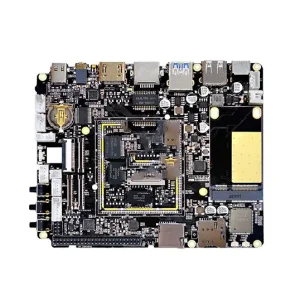
Combining precision PCBA, customized internal routing, cable harnesses, and rugged enclosure assembly into verified turnkey products.