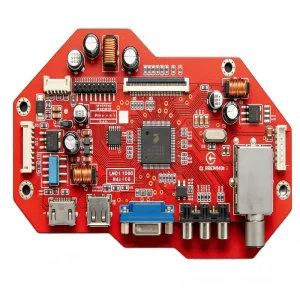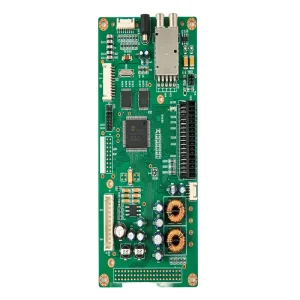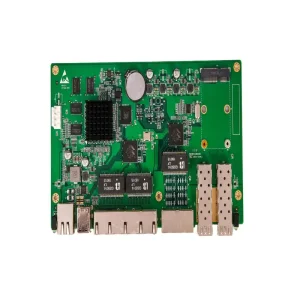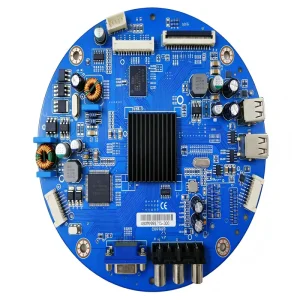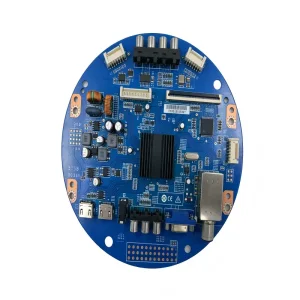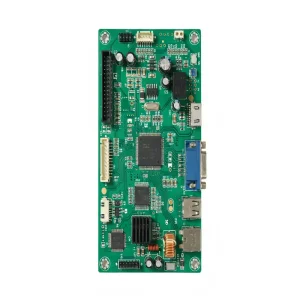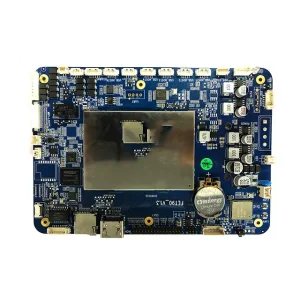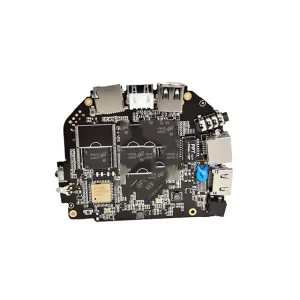
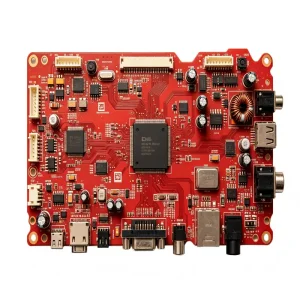
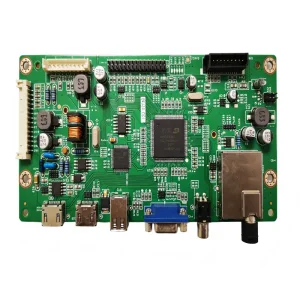
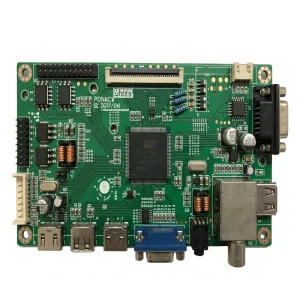
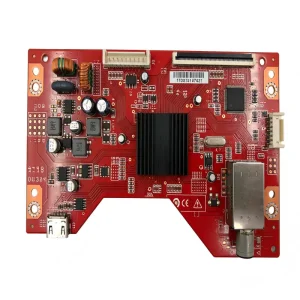
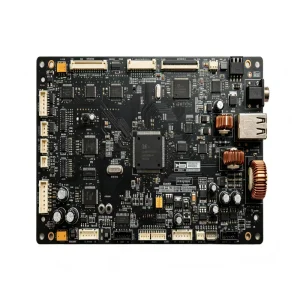
Explore initial application-ready PCBA designs manufactured in our certified dust-free smart facilities, engineered for rigorous operational integrity across IoT, telecom, and industrial sectors.
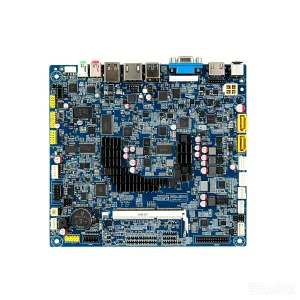
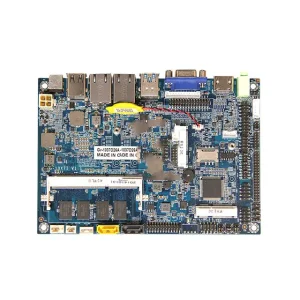
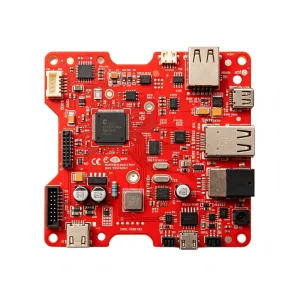
Miniaturization (01005 passives and 0.3mm BGA pitch) coupled with harsh operational requirements has converted conformal coating from an optional finishing step into a fundamental physics-based reliability science.
Legacy immersion and manual pneumatic aerosol applications introduced crippling defects including capillary bleed-in to critical keep-out zones (connectors, test points) and meniscus cracking. Next-generation OEM lines deploy 5-axis computer-controlled film coaters equipped with non-atomized applicator valves. These deliver film thickness boundaries accurate to ±5 μm without masking tape intervention, eradicating edge creep and solvent void generation.
Global decarbonization and strict VOC environmental directives (REACH/RoHS III) are driving a total migration toward 100% solids chemical matrices. Modern dual-cure formulations utilize primary ultra-high-speed UV photopolymerization (curing under high-intensity 365nm UV LED arrays in seconds), followed by secondary atmospheric moisture scavenging for shadowed underneath-die areas beneath micro-BGAs, QFNs, and passive component terminations.
For mission-critical subsea telemetry, implantable bio-monitors, and aerospace electronics, ultra-thin polymer films deposited via chemical vapor deposition (CVD) provide pinhole-free molecular conformity. Prior to polymeric deposition, inline low-pressure vacuum plasma treatment clean traces of flux residue and activates copper/solder mask surfaces, elevating surface energy beyond 72 dynes/cm to eliminate catastrophic interfacial delamination.
How Tier-1 engineering procurement departments evaluate and audit Asian manufacturing hubs to mitigate operational risks, ensure supply continuity, and secure absolute product survivability.
Rigorous OEM qualification mandates strict proof of compliance with IPC-A-610 Class 3, IPC-CC-830C, and UL746E flammability ratings. Quality audits scrutinize production records for wet/dry film thickness verification via eddy-current or ultrasonic non-destructive probes.
Factory environments must guarantee ISO Class 7 or 8 dust-free cleanroom operational status. Real-time digital temperature (22±3°C) and relative humidity (45%–65%) telemetry prevent solvent blush, bubble entrapping, and catastrophic moisture condensation under thermal cycling.
Manual blacklight human inspection cannot catch microscopic dewetting and pinholes on dense SMT assemblies. Tier-1 buyers demand automated 3D optical inspection equipped with multispectral UV lighting to detect fluorescent tracers, checking keep-out zones and meniscus fillets.
Fracturing production across separate SMT assembly shops and secondary coating sub-contractors invites finger-pointing over surface contamination and ionic residues. Consolidating SMT, ultrasonic wash, coating, and test under one roof creates total product accountability.
Conformal coating performance is strictly governed by polymer chemistry. Selecting the appropriate base resin balances dielectric properties, thermal thresholds, moisture barriers, and reworkability.
| Resin Chemistry | IPC-CC-830 Standard Thickness | Thermal Endurance | Chemical & Fuel Resistance | Dielectric Breakdown Voltage | Target Macro Application |
|---|---|---|---|---|---|
| Acrylic (AR) Cost-Effective | 25 – 75 μm | -65°C to +125°C | Moderate (Readily reworkable via solvent) | > 1,500 V/mil | Consumer devices, smart home electronics, indoor telecommunication gateways |
| Polyurethane (UR) Abrasion Guard | 25 – 75 μm | -65°C to +130°C | Excellent (Immune to fuel, acid, and caustic vapors) | > 1,500 V/mil | Automotive under-hood ECUs, heavy industrial automation, marine diagnostics |
| Silicone (SR) High Heat | 50 – 200 μm | -65°C to +200°C | Good (Resilient against UV solar degradation) | > 1,000 V/mil | High-temperature LED arrays, aerospace flight systems, outdoor solar monitoring |
| Epoxy (ER) Hard Matrix | 25 – 75 μm | -65°C to +150°C | Maximum (Exceptional abrasion & solvent barrier) | > 2,000 V/mil | Industrial control PLCs, hazardous petrochemical plant instrumentation |
| Parylene (XY) True Pin-Hole Free | 10 – 50 μm | -200°C to +150°C | Total impermeability across organic solvents | > 5,000 V/mil | Class III medical implants, surgical instrumentation, deep-space satellite payloads |
Bridging overseas procurement expectations with high-yield Chinese electronics manufacturing speed requires deep procedural alignment, proactive documentation, and intellectual property defense.
Before receiving Gerber, CAD, or firmware files, bilateral NDAs are legally established. Our localized servers, multi-factor engineering networks, and air-gapped programming suites ensure schematic files and microcontroller hex code remain completely secured against unauthorized access.
Our Shenzhen factory functions under fully audited IATF 16949 (automotive), ISO 13485 (medical equipment), ISO 9001 (quality), and ISO 14001 (environmental management) systems. Every batch features serialized routing cards linked with MES records for comprehensive root-cause analysis.
Hardware teams avoid costly communication friction through dedicated bilingual application engineers. Within 24 hours of RFQ submission, our engineering group returns comprehensive Design for Manufacturing (DFM) and Design for Coating (DFC) evaluations, identifying keep-out violations before mass production.
As computing density spikes and wide bandgap semiconductors (GaN/SiC) generate elevated thermal and electrical flux, our production roadmap pioneers critical advanced encapsulation methodologies.
Integrating closed-loop laser displacement profiling with neural-network image recognition allows selective dispensing valves to dynamically correct for board warpage, component tilt, and solder meniscus variability in real time, preventing puddling and micro-bridging over dense circuit nodes.
Traditional conformal coatings act as thermal insulators, trapping heat within high-current MOSFETs and gate drivers. STHL is piloting boron nitride and ceramic nanoparticle-doped conformal formulations that deliver >1.5 W/m·K thermal conductivity alongside 2kV dielectric isolation.
To eliminate masking operations completely for micro-connectors, RF shields, and dynamic switch contacts, we are developing sub-100nm ultra-thin fluoropolymer and inorganic ALD barriers that provide IP67 water immersion resistance without impeding electrical contact continuity.
Comprehensive technical guidance directly from our manufacturing engineering and quality assurance departments to streamline your supplier auditing process.
Explore additional mission-critical PCBA implementations manufactured with certified conformal coating, comprehensive box-build integration, and stringent electronic test coverage.