
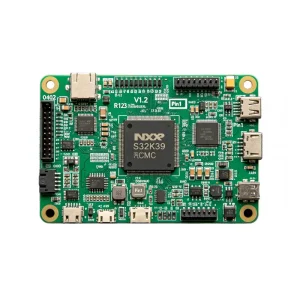
Engineered for mission-critical reliability across physiological monitoring, automotive head units, smart lock biometrics, and industrial switches.
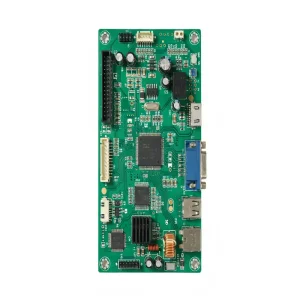
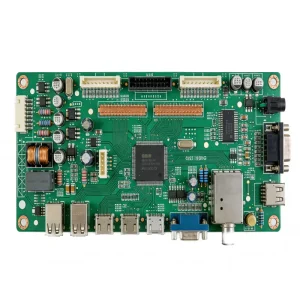
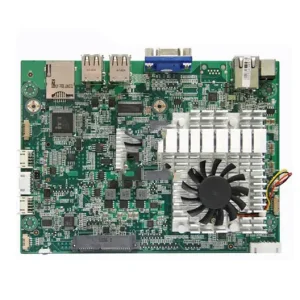
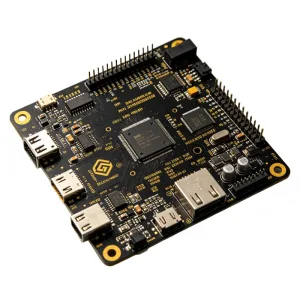
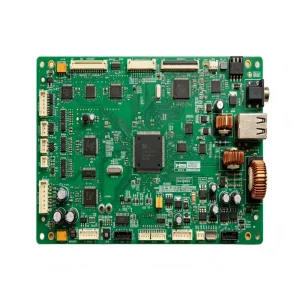
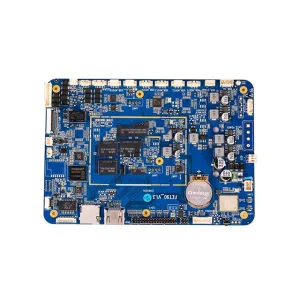
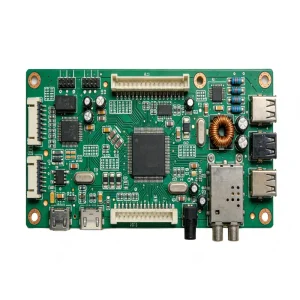
Navigating the geometric convergence of polyimide flex substrates, ultra-dense microvia drilling, and turnkey surface mount manufacturing.
Shenzhen's hardware ecosystem brings copper foil electrodeposition, rolled-annealed (RA) flex laminates, adhesiveless FCCL, and specialized polyimide coverlays within a 30-minute radius. This spatial density cuts prototyping lead times from weeks to 24–48 hours without compromising thermal stress margins.
Equipped with ultraviolet (UV) cold-laser routing and direct-imaging (LDI) lithography, Chinese flex factories effortlessly execute blind and buried microvias under 50μm, and trace/space widths down to 35/35μm. This density supports ultra-fine pitch BGAs and space-constrained flex-rigid geometries.
Rapid software-driven Design for Manufacturability (DFM) algorithms assess dynamic bending zones, copper tear drops, neutral bend axis orientation, and coverlay opening tolerances. Tooling overheads are minimized via flying probe testing and optical registration punch matrices.
How high-frequency signal integrity, 5G mmWave antennas, and micro-electromechanical integrations are reshaping flexible circuit manufacturing.
| Technological Metric | Standard Flex Capability | Advanced OEM Flex Prototype (STHL) | Engineering Impact |
|---|---|---|---|
| Base Substrate | Adhesive Polyimide (PI) / PET | Adhesiveless Polyimide / LCP (Liquid Crystal Polymer) | Superior dielectric stability, reduced insertion loss at >10GHz. |
| Layer Count | 1 - 4 Layers | Up to 16 Layers (Rigid-Flex Multilayer Combinations) | Allows extreme planar compaction and high-pin-count packaging. |
| Copper Type | Standard Electrodeposited (ED) | Rolled Annealed (RA) with grain direction alignment | Maximizes flexural endurance, eliminating brittle fractures. |
| Surface Finishing | HASL / Flash Gold | ENIG, ENEPIG, Immersion Tin, Hard Gold Fingers | Ensures high-reliability BGA solder joints and contact life. |
| Reinforcement | FR-4 / Standard Polyimide | Stainless Steel, Aluminum, Ceramic & 3D Stiffeners | Provides targeted mechanical rigidity for SMT components. |
Engineered solutions bridging physical mechanics, thermal dissipation, and electrical pathways across mission-critical domains.
Ultra-thin, biocompatible polyimide assemblies contoured for continuous physiological telemetry, ECG/EMG monitoring, and implantable sensor connectivity where form factor and continuous flex dynamics are non-negotiable.
IATF 16949 compliant flex assemblies powering infotainment head units, steer-by-wire sensor interconnects, HUD projection modules, and battery pack management system (BMS) wiring harnesses resilient against heat, vibration, and automotive shock.
High-reliability Primary Flight Displays (PFD) and GNSS module flex designs fabricated to IPC Class 3 standards, offering zero outgassing, controlled impedance routing, and sustained thermal continuity from -55°C to +125°C.
How international procurement directors navigate IP protection, dual-sourcing validation, and lifecycle risk reduction.
Bilateral Non-Disclosure Agreements, partitioned CAD/CAM engineering servers, and encrypted Gerber transfers guarantee proprietary layout topologies remain secure from initial RFQ review through multi-lot production.
Real-time integration with authorized component aggregators eliminates counterfeit risks and spots end-of-life (EOL) bottlenecks early, proposing drop-in pin-compatible alternatives before fabrication starts.
Every flexible panel receives a laser-etched 2D data matrix code tracked across paste screening, SMT pick-and-place, reflow thermal profiles, and 3D AOI/X-ray inspection, logging lot numbers down to the reel level.
Integrated assembly lines delivering consistency from quick-turn prototype builds to high-volume commercial production.
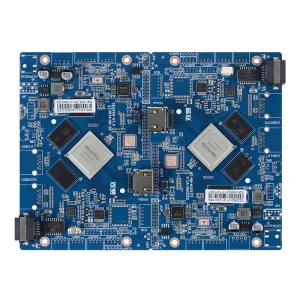
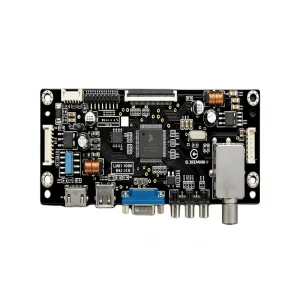
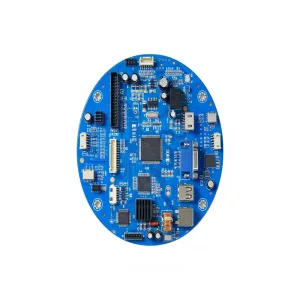
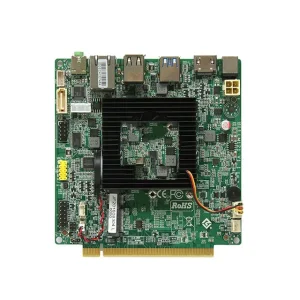
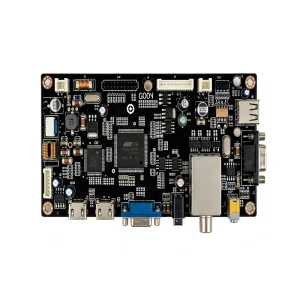
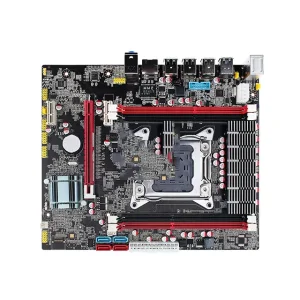
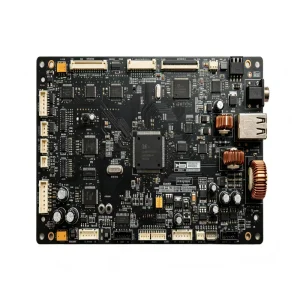
Clear answers to key technical, sourcing, and quality questions regarding OEM Flex PCB prototyping and SMT assembly.