Explore our certified turnkey PCBA manufacturing lines engineered for demanding environmental protection, salt-mist barrier resistance, and extended thermal endurance.
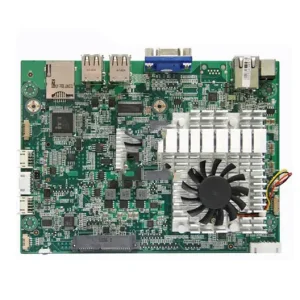
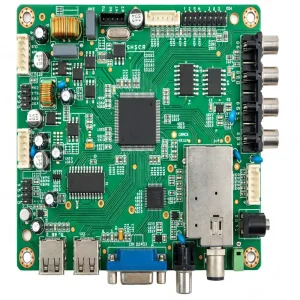
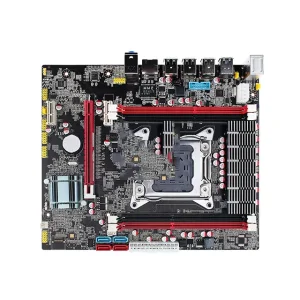
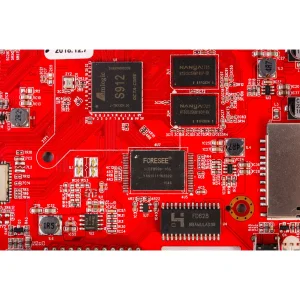
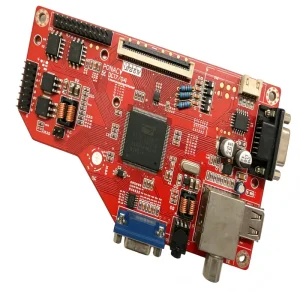
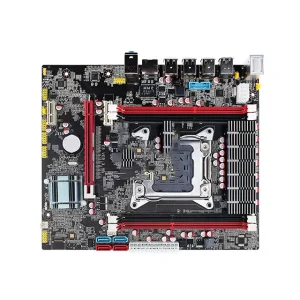
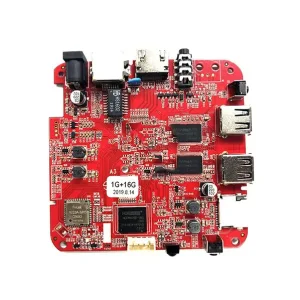

From simple moisture repellent films to complex dielectric, thermally dissipative, and mechanical stress mitigation barriers.
As modern printed circuit board assemblies (PCBAs) achieve unprecedented component density, with fine-pitch BGAs (down to 0.35 mm pitch), 01005 passives, and high-voltage Wide Bandgap (WBG) semiconductors (Gallium Nitride and Silicon Carbide), traditional air insulation and basic single-coat acrylic films no longer provide adequate dielectric standoff or environmental isolation. PCB resin coating technology has rapidly evolved into specialized polymer systems: Epoxy Resin Formulations, Polyurethane (PU) Systems, Silicone Elastomers, and Poly-para-xylylene (Parylene) vapor-deposition barriers.
Selecting an OEM PCBA coating partner requires a deep understanding of glass transition temperatures (Tg), coefficients of thermal expansion (CTE mismatch), hydrolytic degradation pathways, and chemical solvent resistances. In automotive power distribution, renewable offshore wind controllers, and implantable medical monitors, resin barriers are the ultimate line of defense against ionic contamination, dendritic electrochemical migration, surface insulation resistance (SIR) degradation, and premature tin whisker propagation.
| Resin Chemistry Type | Dielectric Strength (kV/mm) | Operating Thermal Window | Chemical & Fuel Resistance | Mechanical Shock Absorption | Reworkability Factor |
|---|---|---|---|---|---|
| Epoxy Resin (Encapsulant / Potting) | 18 - 25 | -50°C to +155°C | Exceptional (Immersion-grade) | High Structural Rigidity | Extremely Difficult (Chemical strip) |
| Polyurethane Resin (PU) | 15 - 22 | -65°C to +130°C | Excellent (Oils, Fuels, Moisture) | Superior (Elastic toughness) | Moderate (Thermal softening) |
| Silicone Elastomer Coating | 16 - 24 | -65°C to +200°C | Moderate (Weak against aromatic solvents) | Optimal for Thermal Cycling | Easy (Localized peelable removal) |
| Parylene (C/N/D Vapor Deposition) | 200+ (Ultra-thin film) | -200°C to +125°C | Pin-hole Free Inert Barrier | Zero Curing Stress | Laser Ablation Only |
High-voltage battery management systems (BMS) for automotive EVs operate above 800V DC. Conformal resin coats mitigate high-voltage tracking, reduce creepage distance requirements, and prevent arc-over across adjacent copper traces.
Marine early warning monitoring and offshore wind turbines endure severe cyclic humidity and salt-fog atmosphere. Specialized polyurethane and silicone barriers seal against moisture ingress down to microscopic capillary levels.
Aerospace fly-by-wire units and heavy automotive chassis electronics suffer perpetual harmonic resonance and mechanical shocks. Thick potting resin isolates heavy passive inductors and ceramic capacitors.
How Tier-1 industrial buyers, automotive primes, and medtech leaders evaluate and qualify high-reliability PCB resin coating factories.
Global procurement teams explicitly disallow manual brush coating due to uneven film thickness, bridging, and overspray onto keep-out zones (connectors, test points, and RF shields).
Traceable quality audits require blacklight-reactive fluorescent tracers formulated inside the coating resin matrix. Automated 3D Conformal Coating AOI systems perform 100% defect inspection.
Enterprise buyers demand lot-level resin expiration verification, viscosity monitoring data, pre-heating records, and UV curing energy dose measurements (J/cm²) tied directly to unit serial numbers.
Shortened product development lifecycles require seamless prototype-to-volume transition. OEM buyers require rapid DFM (Design for Manufacturing) feedback on keep-out geometries without MOQ lock-ins.
Tailored encapsulation strategies formulated to defeat industry-specific failure mechanisms.
Years Electronics EMS Expertise
Square Meters Production Hub
On-Time Delivery Worldwide
First-Pass Yield Standard
Automotive under-the-hood and chassis electronics face severe continuous thermal shocks (-40°C to +150°C), hydraulic brake fluid splashing, transmission oils, and aggressive road salts.
High-capacity solar central inverters, wind turbine nacelle controllers, and smart grid automation modules must operate non-stop outdoors for 25+ years without field intervention.
Implantable pacemakers, infusion systems, and point-of-care diagnostic workstations demand non-cytotoxic, biocompatible coatings resistant to autoclave steam sterilization and hospital disinfectants.
Ensuring your encapsulated electronics cross borders seamlessly while meeting stringent chemical and consumer safety legislation.
All resin formulations, silicones, and hardeners are 100% compliant with EU RoHS Directive 2011/65/EU and REACH SVHC regulations. Full laboratory certificates of analysis (CoA) provided per raw material lot.
Resins used in production meet qualification standards of IPC-CC-830C for electrical insulation resistance, thermal aging, fungus resistance, and flammability testing under Underwriters Laboratories (UL) yellow cards.
Direct communication with 50+ experienced SMT and coating chemical process engineers. Full confidentiality agreements (NDAs) signed before reviewing CAD drawings, BOMs, or encapsulation files.
Anticipating the technological demands of miniaturized, ultra-high-frequency, and extreme-density electronics.
To eliminate shadow un-cured areas underneath tall transformer coils and low-clearance IC packages, modern formulations integrate rapid UV cross-linking (2-second flash) with a secondary 24-hour atmospheric moisture cure for complete shadow curing.
With electric vehicle on-board chargers (OBC) and high-density industrial server power modules dissipating extreme heat flux, modern potting systems blend micro-ceramic aluminum oxide fillers to achieve thermal conductivities up to 3.0 W/m·K.
Anticipating stricter carbon neutrality protocols, STHL is pioneering solventless zero-VOC (Volatile Organic Compound) polyurethane and water-based silicone hybrids that slash emission footprints during thermal curing cycles.
In-depth technical answers for procurement managers, component engineers, and quality directors.
Discover our specialized PCBA lines operating across telecom infrastructure, industrial power distribution, automotive steering, and high-frequency RF transmission.