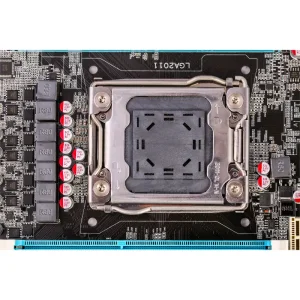
Explore our active turnkey manufacturing lines delivering micro-pitch BGA mounting, high-copper thermal management, and precision selective soldering across mission-critical sectors.
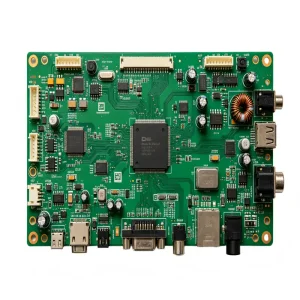
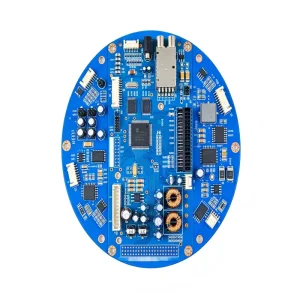
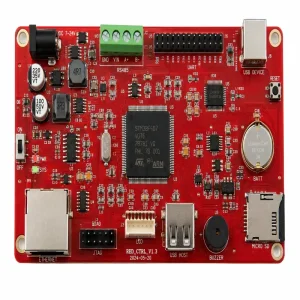
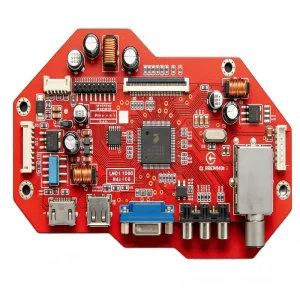
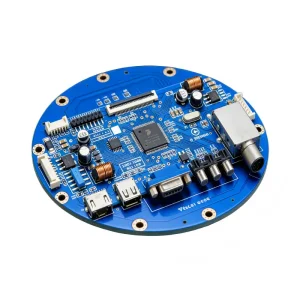
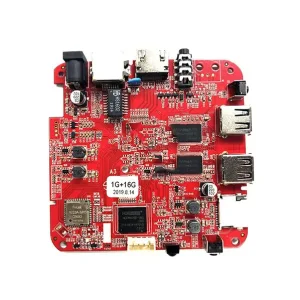
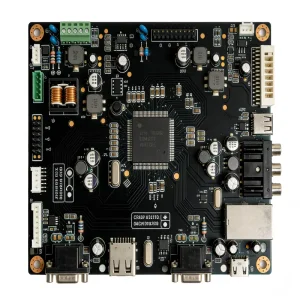
In modern high-density PCB soldering, long-term thermomechanical fatigue resistance depends squarely on controlling the intermetallic compound (IMC) layer between the copper termination pads and the tin-based solder alloy. At STHL Electronics, our surface-mount and through-hole soldering operations are governed by precise thermodynamic modeling.
Whether utilizing lead-free SAC305 (Sn96.5Ag3.0Cu0.5), low-temperature Bi-Sn alloys, or mission-critical leaded formulations, we actively manage the peak reflow dwell time (TAL — Time Above Liquidus) between 45 to 75 seconds to ensure the Cu₆Sn₅ eta-phase transition forms a continuous, scallop-shaped morphology of 1.0 to 2.5 µm thickness without planar micro-void degradation.

Why Tier-1 hardware OEMs and venture-backed robotics start-ups anchor their electronics manufacturing pipelines in Shenzhen with STHL.
Situated in the heart of Bao'an, Shenzhen, our procurement network accesses over 500,000 active SKUs through direct partnerships with authorized franchises including Arrow, Avnet, Digi-Key, and Mouser. Hard-to-find active silicon, power MOSFETs, and precision passives can be sourced, barcoded, and on-feeder within 24 to 48 hours.
Global procurement heads frequently face prohibitive tooling charges and high barrier MOQs. STHL removes this bottleneck by utilizing agile setup routines on our 7 Yamaha and Panasonic pick-and-place lines. Customers scale seamlessly from an initial 5-board functional verification lot directly to 500,000-unit continuous production.
Protecting intellectual property is the non-negotiable bedrock of our foreign client agreements. Before exchanging Gerber files or schematic hierarchies, STHL executes bi-lateral, jurisdictionally binding NDAs. Firmware loading is conducted on physically isolated, air-gapped automated flashing fixtures with cryptographic checksum verification.
Bridging Chinese manufacturing velocity with stringent European and North American regulatory expectations.

Navigating international market entry requires uncompromising compliance with toxicological and functional directives. All soldering workflows are certified to comply with RoHS Directive (EU) 2015/863 (RoHS 3) and REACH (EC 1907/2006), rigorously eliminating restricted hazardous substances including lead, cadmium, mercury, and polybrominated diphenyl ethers.
For high-rel automotive and aerospace systems, our dedicated soldering lines conform strictly to IPC-A-610 Class 3 standards: requiring ≥75% vertical solder fill in plated through-holes, zero side overhang on discrete chips, and maximum 15% solder ball voiding beneath ball grid arrays (BGAs) and quad-flat no-leads (QFNs).
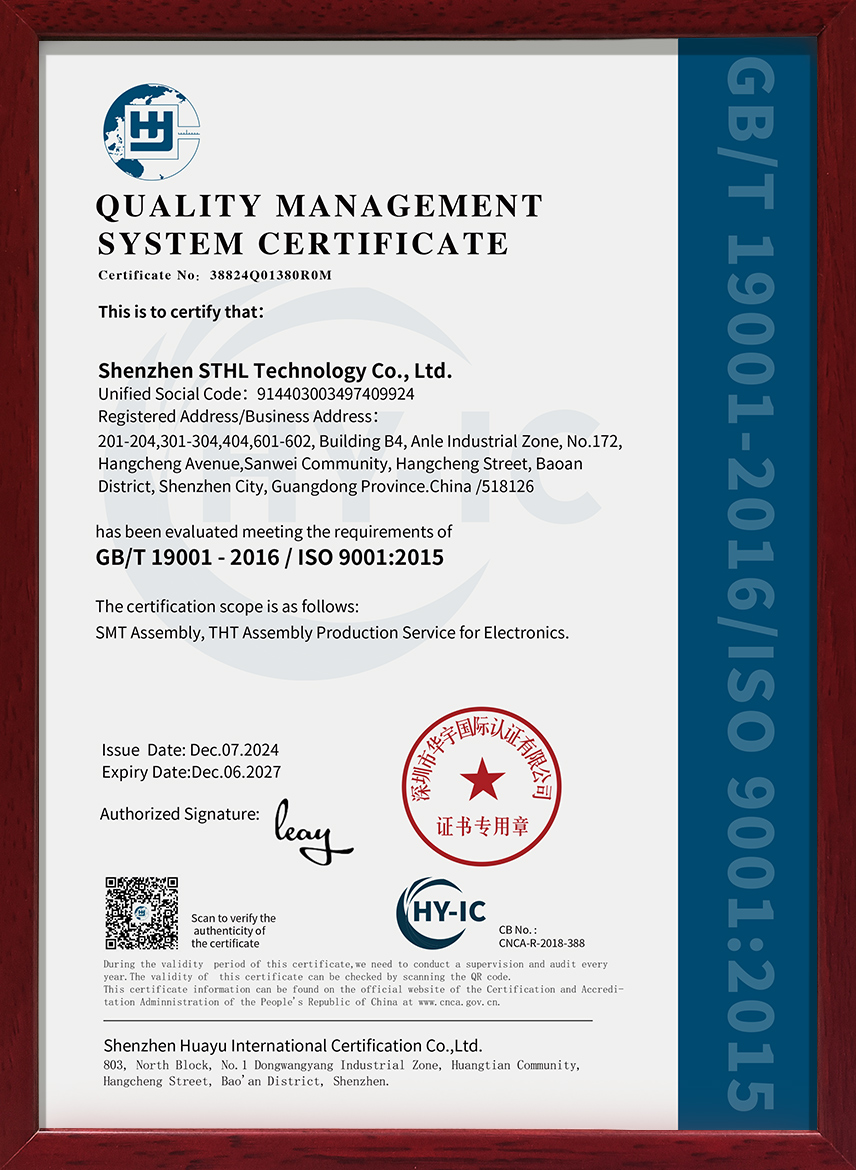
Global Quality Management standard spanning PCB design review, component procurement, and SMT lines.
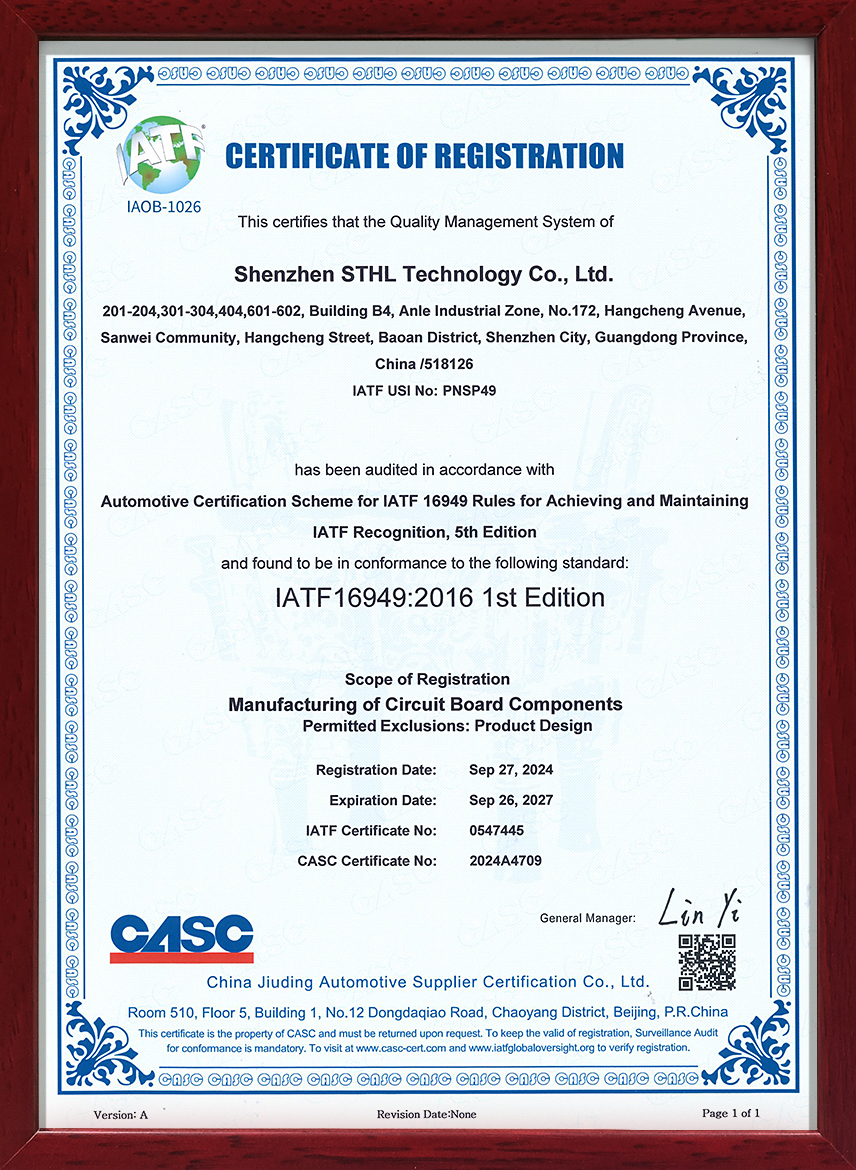
Automotive electronics manufacturing certification emphasizing zero-defect production and defect prevention.
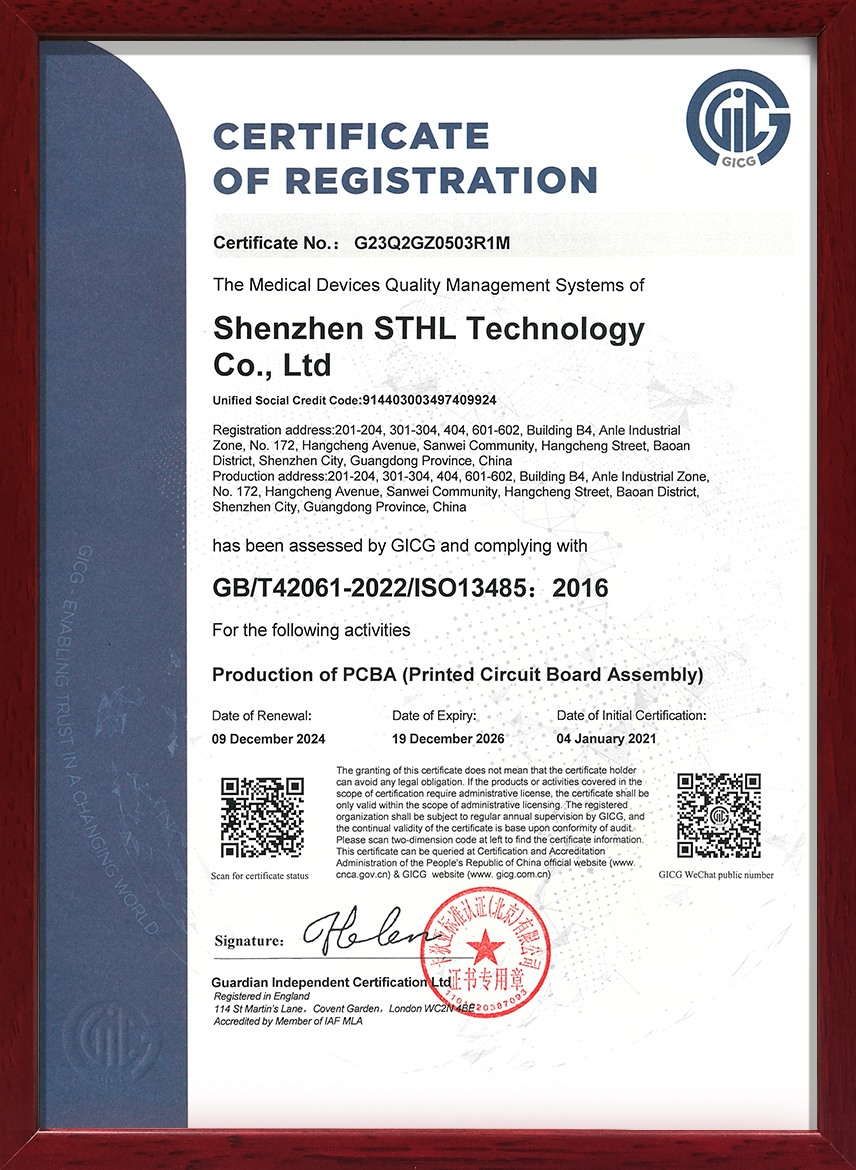
Medical electronics certification ensuring end-to-end device traceability and strict cleanroom assembly protocol.
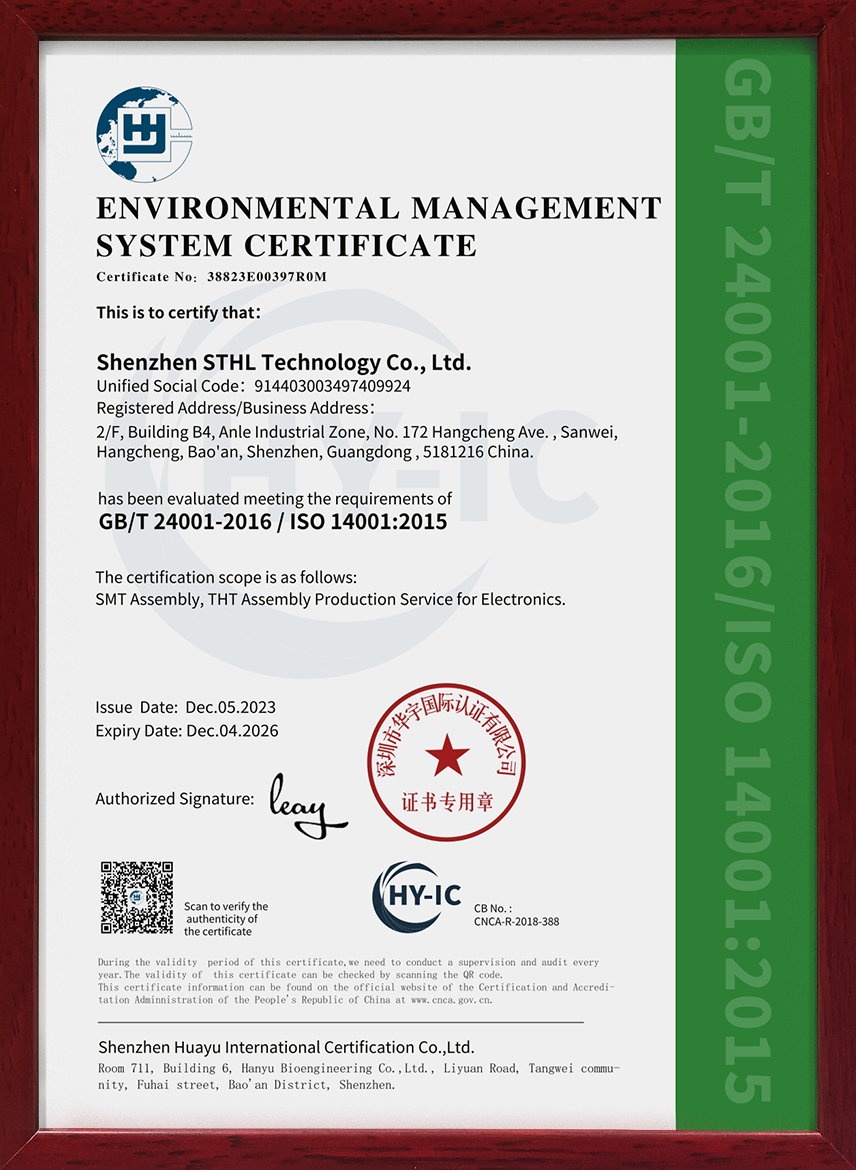
Environmental management standard governing sustainable solder paste filtration and zero hazardous waste runoff.
Comprehensive engineering matrix outlining real manufacturing tolerances deployed across our 13 active Bao'an production lines.
| Order Volume & Mix | Prototypes (24-48 hour quick-turn), Low-to-Medium Volume High-Mix (HMLV), High-Volume Continuous Builds. No minimum order quantity restrictions. |
|---|---|
| Soldering Technologies | Lead-Free SMT (SAC305, SAC0307), Leaded Soldering (Sn63Pb37), Dual-Wave Soldering, Nitrogen-Inerted Selective Soldering, Hot Bar Bonding, Press-fit assembly. |
| Component Package Range | Passives down to 01005 (0402 metric) & 0201 chips; Ultra-fine pitch QFP/QFN to 0.35 mm; Micro-BGA, PoP (Package-on-Package), WLCSP to 0.25 mm pitch; Odd-form connectors. |
| Supported PCB Substrates | FR-4 (Standard, High-Tg ≥170°C), Halogen-Free, Flexible Polyimide (FPC), Rigid-Flex (1-16 layers), Metal Core (MCPCB/Aluminum 1W-8W/m·K), Rogers PTFE, Ceramic Alumina/AlN. |
| Maximum Board Dimensions | Max Board Size: 610 mm × 1200 mm (LED long board lines); Standard Dual-Lane SMT: 50 mm × 50 mm to 510 mm × 460 mm. Thickness: 0.2 mm to 6.0 mm. |
| Solder Void Mitigation | Automated vacuum reflow chambers reducing thermal pad solder voiding beneath bottom-terminated components (BTC / QFN / DPAK) to under 8% (well exceeding IPC Class 3). |
| Inspection & Quality Gates | Inline 3D Solder Paste Inspection (SPI), Multi-Angle 3D Automated Optical Inspection (AOI), 160kV High-Resolution Transmissive & Oblique 3D X-ray (AXI), First Article Inspector (FAI). |
| Testing & Finishing | In-Circuit Testing (ICT bed-of-nails), Flying Probe Testing (FPT), Custom Functional Circuit Testing (FCT), Robotic Selective Conformal Coating, Full Box-Build Electro-Mechanical Integration. |
Every manufacturing order moves through clear quality gates governed by automated Manufacturing Execution Systems (MES) for lot-level genealogy.
NDA executed before RFQ review. Senior CAM and assembly engineers perform comprehensive Design for Manufacturability (DFM) and Design for Assembly (DFA) audits, identifying shadow effects, pad geometry mismatches, and thermal relief bottlenecks.
Components sourced strictly via original manufacturers and authorized global distributors. Incoming Quality Control (IQC) executes microscopic lead finish evaluation, solderability testing, and LCR impedance spot validation.
Bare board production to precise layer stackups. Controlled impedance tolerances within ±5% to ±10%, high-precision laser-drilled blind/buried microvias, and gold immersion (ENIG, ENEPIG, OSP) finishes.
Precision solder paste jetting/printing with electroformed nickel stencils, high-speed automated placement up to 80,000 CPH, followed by 10-zone nitrogen reflow and selective wave soldering of through-hole terminals.
Dual-stage optical inspection for component polarity, solder fillet curvature, tombstoning, and bridging. 160kV transmissive 3D X-ray guarantees zero head-in-pillow (HiP) and voids <10% on hidden BGA/QFN solder spheres.
Automated conformal coating (acrylic, polyurethane, silicone) with UV cure inspection. Automated firmware flashing, wiring harness integration, ultrasonic plastic welding, and custom extruded enclosure assembly.
Rigorous environmental stress screening (ESS), thermal cycling (-40°C to +85°C), and 100% full-load functional testing. Packaged in moisture-barrier bags with humidity indicators for air/ocean freight to 90+ countries.
How STHL leads the paradigm shift toward smart factory automation, green electronics metallurgy, and dense heterogeneous packaging.
Modern high-yield lines no longer treat printing, placing, and reflow as decoupled operations. STHL incorporates closed-loop communication between 3D SPI and screen printers: real-time offset data dynamically shifts print alignment, auto-cleans stencils, and prevents solder starving or bridge formation before paste ever contacts component leads.
With component substrates becoming thinner to accommodate multi-chip modules and wearable designs, high reflow temperatures (245°C - 260°C) cause severe board warpage. We implement next-generation Bi-Sn-Ag alloys with peak reflow temperatures under 170°C, slashing thermal dynamic stress, eliminating popcorn package defects, and reducing factory energy consumption by 35%.
To eliminate costly, labor-intensive secondary hand soldering operations without compromising barrel fill, STHL utilizes intrusive Pin-in-Paste (PiP) techniques. Utilizing stepped stencils and custom squeegee vectors, through-hole connectors receive calculated excess paste volumes, reflowing simultaneously with SMDs to achieve pristine 100% vertical wicking.
Delivering domain-specific soldering profiles, conformal protection, and functional test rigs for harsh operational environments.
ISO 13485 compliant PCBA for CT imaging scanners, portable ultrasound units, and intensive care patient monitors with non-electrolytic cleaning to eliminate electrochemical migration risks.
IATF 16949 certified high-power battery management systems (BMS), motor traction inverters, and on-board telemetry requiring heavy copper (4oz - 8oz) soldering and thermal underfills.
Ruggedized programmable logic controllers (PLCs), optical safety curtains, and fieldbus protocol gateways engineered for continuous 24/7/365 vibration, dust, and wide thermal swings.
High-speed gigabit Ethernet switches, hardware firewalls, and 5G cellular gateways featuring 0.35mm pitch BGAs, controlled impedance differential pairs, and low-loss RF routing.
Proven supply chains and direct component distribution relationships powering our zero-delay sourcing program.
















Verified feedback from research scientists, hardware engineering directors, and procurement leaders across 90+ countries.
"Excellent team to work with and fast delivery with high-quality boards. We are very happy to work with such a good supplier. Thanks again."

"Please extend my thanks to your team for the hard work in preparing these samples. This experience has strengthened my confidence in your company, and I look forward to discussing bulk orders soon."

"We are satisfied with the last order. You did a great job on those boards and the lead time was short. I will place a new order soon."

"The order was perfect—exactly as specified, with top quality. Highly recommend this reliable supplier."

"Very fast delivery, professional supplier and professional product. We will place a new order very soon!"

"We have tested all the boards and I am highly pleased. I will repeat my order soon. Thank you again for your excellent service."

Direct technical answers addressing solder joint inspection, moisture sensitivity levels (MSL), component counterfeiting defenses, and DFM deliverables.
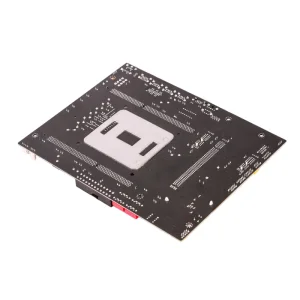
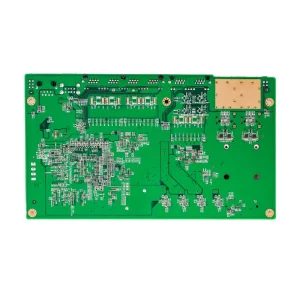
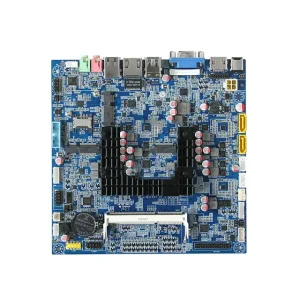
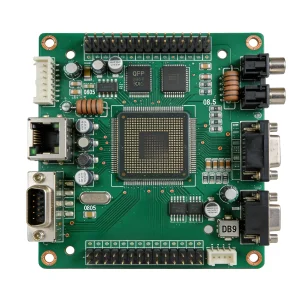
Explore additional mission-critical PCBA modules manufactured to IPC Class 2 and Class 3 quality thresholds at our Shenzhen facility.
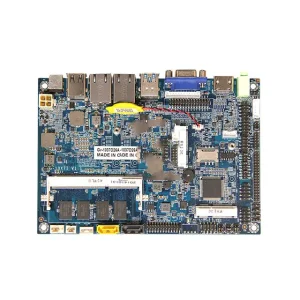
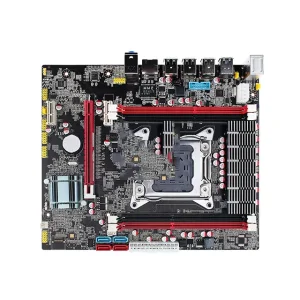
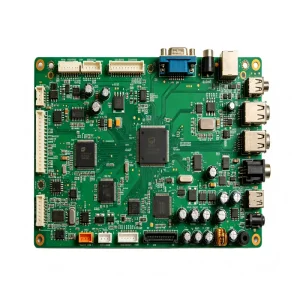
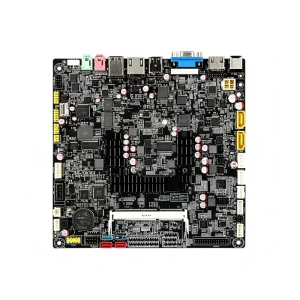
Send your Gerber files, BOM, and test procedures to our Shenzhen engineering team today. Receive a comprehensive DFM audit, yield optimization recommendations, and an itemized production quote within 24 hours.
Request Your Engineering RFQ