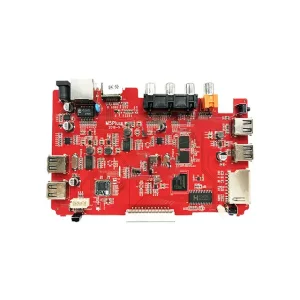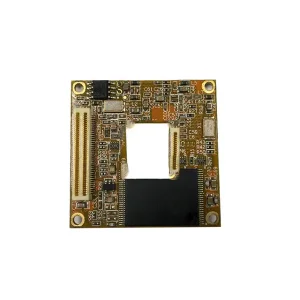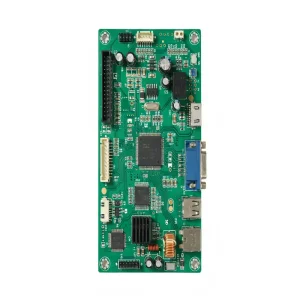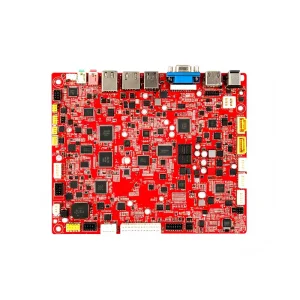
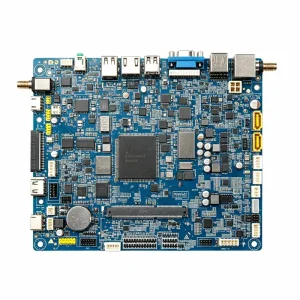
High-reliability modules combining automated precision wiring, robust interconnects, and surface-mount electronics.
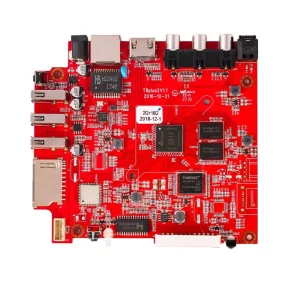
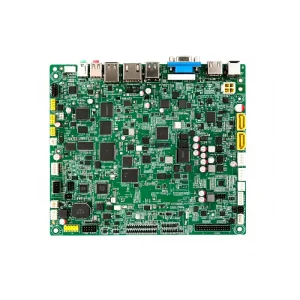
How smart robotics, automated crimping force monitoring (CFM), and turnkey EMS manufacturing solve global electro-mechanical convergence challenges.
Modern wire harness fabrication requires high dynamic repeatability. Our fully automated cut, strip, terminate, and seal equipment achieves length tolerances within ±0.2 mm while deploying integrated vision systems to detect split wire strands and misaligned insulation before insertion.
Adhering strictly to IPC/WHMA-A-620 Class 3 specifications, our automated crimping stations utilize continuous crimp force monitoring (CFM) to analyze compression wave profiles in real-time, instantly rejecting out-of-tolerance joints without relying on manual spot checks.
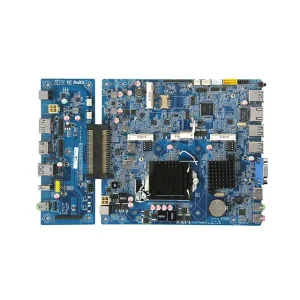
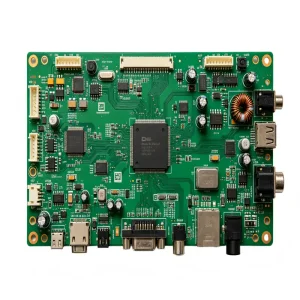
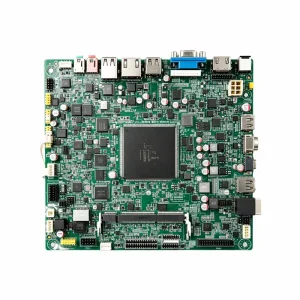
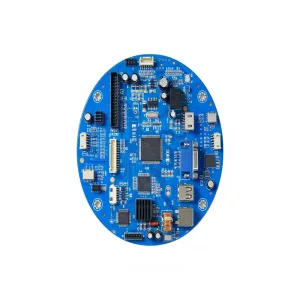
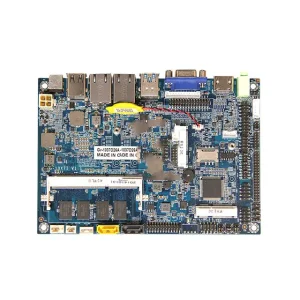
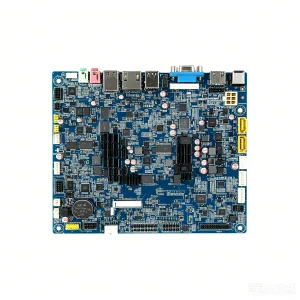
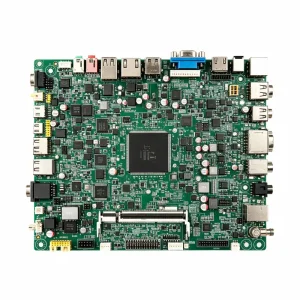
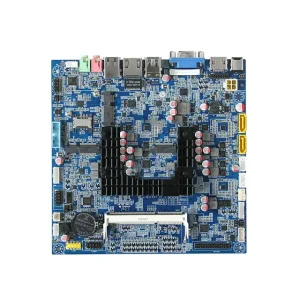
Wiring harnesses no longer exist in isolation; they interface directly with dense SMT circuit boards and multi-sensor modules. Our unified facility eliminates vendor hand-offs by manufacturing bare PCBA, terminating custom wire looms, and executing complete box build integration under one roof.
Capitalizing on world-class industrial clusters, localized component raw materials, and unmatched engineering speed.
Located in Shenzhen's Bao'an industrial heartland, STHL accesses copper extruders, silicone compounders, molded connector fabricators, and tooling shops within a 50 km radius, shrinking procurement lead times from months to days.
Global supply chains face constant allocation squeezes. Our sourcing engineers provide validated, drop-in equivalent alternatives to high-cost Western terminals (TE, Molex, JST, Hirose), delivering 20% to 45% bill-of-materials cost reductions.
Unlike traditional wiring workshops restricted to rigid MOQs, our intelligent manufacturing architecture supports flexible low-volume engineering builds (NPI) on the exact same automated platforms leveraged for high-volume automotive production.
Eliminate disputes between disparate cable assemblers and PCBA contract manufacturers. STHL assumes 100% end-to-end liability across PCB fab, SMT placement, cable overmolding, potting, and sub-assembly functional checkout.
Transparent data criteria for procurement directors, DFM leads, and hardware system architects.
Addressing the demands of high-voltage electrification, industrial IoT telemetry, and miniaturized healthcare equipment.
Electric vehicles and energy storage systems require high-current busbar harnesses, flame-retardant silicone cabling, and shielded multi-conductor sensing leads built under strict IATF 16949 automotive manufacturing standards.
From ECG diagnostic monitors to surgical handpiece cords, medical wire harnesses require bio-compatible jacketing, extreme flex fatigue longevity, autoclave sterilization tolerance, and ISO 13485 cleanroom assembly protocols.
Robotic articulated arms and automated factory workcells demand high-torsion drag-chain cables capable of withstanding millions of bending cycles without impedance drift or intermittent signal degradation.
Eliminating the technical and legal barriers encountered by Western engineering directors when outsourcing electro-mechanical fabrication.
Before reviewing any technical drawings, schematic schematics, or BOM structures, bilateral non-disclosure agreements (NDAs) are established. Critical microcontrollers are flashed in secure offline cells to ensure complete proprietary IP protection.
Each production batch receives a unique digital manufacturing traveler. Every crimping machine log, lot-tracked batch of terminals, reflow thermal profile, and final inspection scan is archived for 5 years, providing uninterrupted pedigree tracking.
With DDP (Delivered Duty Paid), FOB, and DAP air/sea logistics channels operational across North America, the European Union, and the Asia-Pacific basin, our export packaging guarantees anti-static and moisture-barrier protection throughout transoceanic transit.
Clear answers regarding tolerances, alternative components, validation protocols, and turnaround times.
We employ integrated Crimp Force Monitors (CFM) on our automated lines that evaluate the pressure signature of every stroke. Furthermore, we run cross-section metallographic lab analysis to ensure zero voiding inside terminal serrations, alongside periodic pull-force destruct testing per UL 486A-B criteria.
Yes. Our engineering department maintains an exhaustive database of qualified regional connector equivalents that map directly to TE Connectivity, Molex, Amphenol, and JST housings. We supply side-by-side DFM comparisons and qualification samples for customer lab verification.
To provide an expedited proposal within 24–48 hours, we request your Wire Harness Schematic / 2D Drawing (indicating lengths, wire gauge, and pinout tables), a comprehensive BOM with exact part numbers, Gerber/Centroid data (if PCBA is integrated), and any functional test specifications.
Absolutely. Unlike rigid contract houses, we enforce a strict 0-MOQ policy. You can build small pilot lots (5 to 50 units) to validate physical fit and electrical continuity, smoothly migrating to automated production lines as your market demand accelerates.
We offer customized shielding solutions including braided tin-plated copper sleeves (up to 95% coverage), aluminum mylar wrap with integrated drain wires, internal copper foil shielding, and ferrite core overmolding tailored to fulfill CE and FCC electromagnetic compatibility requirements.
Our Shenzhen manufacturing facility holds verified certifications in IATF 16949 (Automotive), ISO 13485 (Medical Devices), ISO 9001 (Quality Management), and ISO 14001 (Environmental). All operators working on harness crimping and soldering are certified to IPC/WHMA-A-620 standards.
Full-turnkey electronics combining automated wiring infrastructure, RF integration, and power conversion.