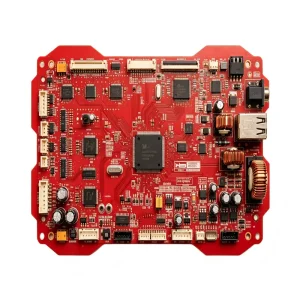
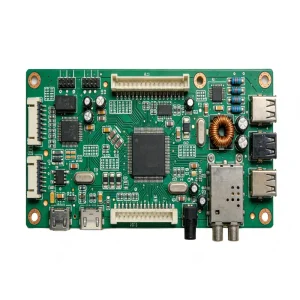
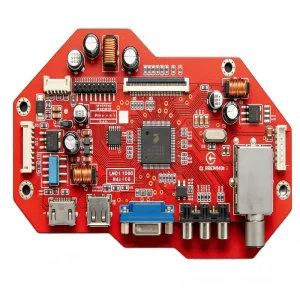
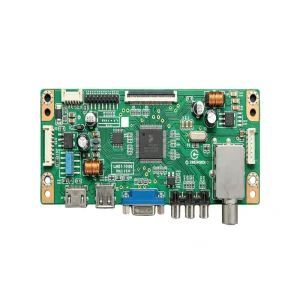
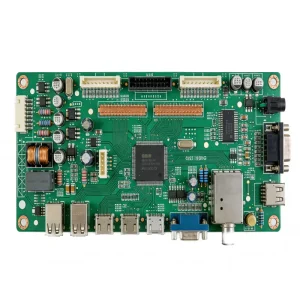
The global electronics manufacturing sector is currently witnessing a paradigm shift towards "Smart Manufacturing." As procurement demands evolve, the focus has moved beyond mere cost-cutting to Total Value Optimization (TVO). OEMs are now prioritizing supply chain resilience, real-time data integration through MES (Manufacturing Execution Systems), and IATF 16949 compliant quality assurance. As a leading manufacturer, STHL addresses these trends by offering seamless DFM (Design for Manufacturing) feedback, which significantly reduces "Information Gain" loss during the NPI (New Product Introduction) phase.
Our turnkey solutions cover the full product lifecycle: from rapid prototyping to high-volume production. By integrating component sourcing—leveraging our vast network of over 100 suppliers—we mitigate risks associated with electronic component shortages and long lead times. We provide dedicated functional testing to ensure that every board shipped meets international reliability standards.
Understanding the regulatory environment is critical. Whether your product is bound for the medical sector (ISO 13485) or automotive (IATF 16949), we ensure every project adheres to strict environmental standards and traceability protocols. Our local support teams in Shenzhen work in tandem with global project managers to provide real-time updates, ensuring compliance with global import regulations.
We are continuously investing in AI-driven optical inspection (AOI) and predictive maintenance models. By 2030, the PCBA industry will rely heavily on digital twins for design verification. We are already adopting these practices, ensuring our clients receive a product that is not just manufactured, but optimized for the future.
A: Simply provide your Gerber files, BOM (with manufacturer part numbers), and centroid file to our engineering team. We typically return a detailed quote with DFM improvements within 24-48 hours.
A: A turnkey partner acts as a single point of responsibility. By consolidating fabrication, component sourcing, and assembly, you avoid communication gaps and logistical delays.