Engineered for high signal-to-noise ratio (SNR), microvolt bio-signal acquisition, and long-term operating durability across harsh clinical conditions.
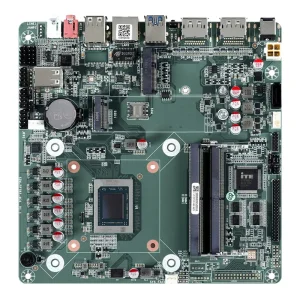
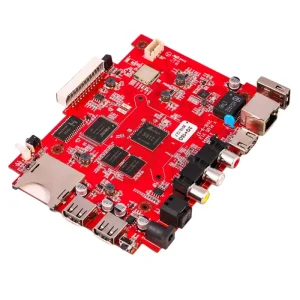
A technical and macroeconomic analysis of the Russian Federation's medical equipment sector, sovereign manufacturing directives, and the supply chain architecture supporting modern hospitals.
The Russian medical device industry is undergoing structural modernization directed by federal programs (Pharma & Medtech 2030) and the regulatory framework monitored by Roszdravnadzor. Russian OEMs in Moscow, Saint Petersburg, Novosibirsk, and Yekaterinburg are aggressively accelerating the domestic manufacturing of intensive care ventilators, ultrasound scanners, laboratory biochemistries, and patient monitoring terminals.
However, electronic manufacturing services (EMS) for medical grade substrates require cleanroom surface mount assembly, automated X-ray inspection (AXI) for BGA packages down to 0.3mm pitch, and sub-surface copper validation. Partnering with a specialized Chinese EMS facility provides Russian manufacturers with the agility to produce high-density interconnect (HDI) PCBs that comply with state registration standards without incurring prohibitive local capital expenditure.
Medical electronics deployed in regional clinical centers from Kaliningrad to Vladivostok face rugged field demands. Equipment must operate under broad operating temperature ranges, fluctuating municipal power grid stability, and stringent galvanic isolation barriers (IEC 60601-1 and corresponding GOST R IEC 60601-1 harmonization).
A rigorous manufacturing framework designed around zero-defect tolerances, electro-magnetic compatibility (EMC), and low-noise operational requirements.
Unlike commercial PCBA governed by Class 2 criteria, our medical assembly lines enforce strict IPC-A-610 Class 3 controls:
Diagnostic accuracy relies on micro-voltage biological readings (such as EEG / ECG) uncorrupted by RF transmission or line noise:
Compliance with ISO 13485:2016 demands immutable records for medical device history records (DHR):
Get in touch with our bilingual engineering team for a rapid DFM/DFA assessment of your medical PCB Gerber and BOM.
How Shenzhen STHL Electronics delivers rapid procurement cycles, sanction-resilient component alternative engineering, and flexible bilateral customs execution.
Shenzhen represents the global epicenter of microelectronics manufacturing. STHL leverages this industrial proximity to maintain supply chain continuity for Russian partners facing lead-time blowouts or Western distributor cutoffs:
Navigating international supply routes requires proven execution pathways tailored specifically to the Russian Federation:
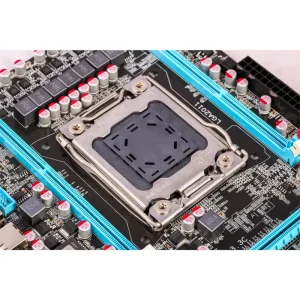
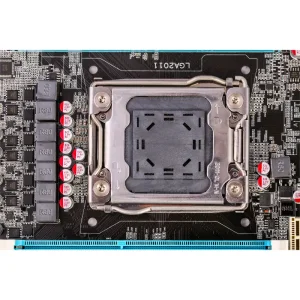
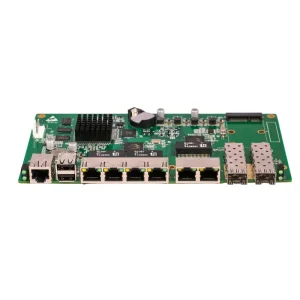
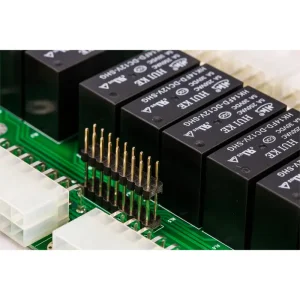
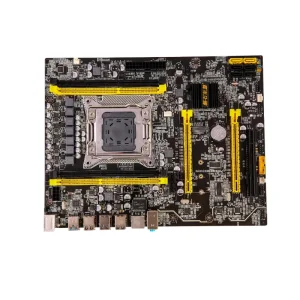
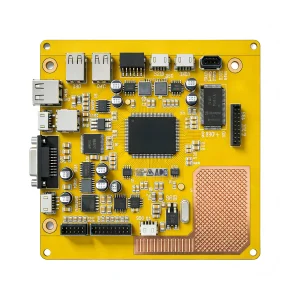
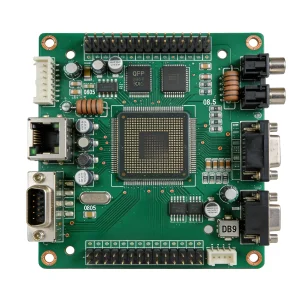
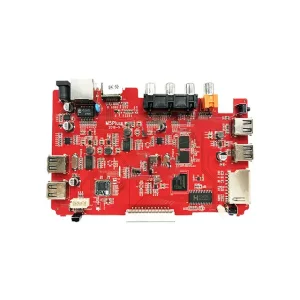
From complex multi-slice computed tomography boards to micro-fluidic analytical circuits, STHL builds high-density electronic assemblies tailored to the most demanding hospital apparatus.
Specific details on technical qualification, component sourcing, compliance documentation, and order fulfillment.